If you’re dealing with a stubborn clog, you’ve probably heard about hydro jetting. And you’ve probably also wondered, can hydro jetting damage pipes? The honest answer is yes, it can, but it depends a lot on your pipe material, your pipe’s condition, and the person running the equipment. Think of hydro jetting like a pressure washer for the inside of your drain line or sewer line. Used correctly, it cleans incredibly well. Used on the wrong pipe, or set up the wrong way, it can make a bad situation worse.
Best for: Stubborn buildup like grease, sludge, and scale in a pipe that’s in decent condition and has a cleanout access point.
Not ideal when: You have very old, fragile pipes, unknown pipe material, or signs of collapse, shifting, or a failing pipe joint.
Good first step if: You’re unsure what’s in the line and want a sewer camera inspection to confirm the blockage and pipe condition.
Call a pro if: Sewage is backing up, multiple drains are affected, or you suspect roots or a damaged main sewer line.
Quick Summary
- Hydro jetting uses high-pressure water through a hydro jetter, hose, and nozzle to scrub pipe walls, not just punch a hole in a clog.
- It’s usually safe when the pipe material is sound and the operator matches water pressure (PSI) and nozzle selection to the line.
- Damage risk rises when pipes are already cracked, corroded, offset, or partially collapsed, because jetting stresses weak points.
- Cast iron, clay, Orangeburg, and galvanized lines tend to be more vulnerable than newer plastics like PVC or ABS.
- A sewer camera inspection helps you avoid surprises, like thinning walls, bellies, or roots packed into joints.
- If jetting isn’t a fit, snaking, targeted root cutting, or repair options may be safer for old pipes.
Quick Answer: When Hydro Jetting is Safe Vs. Risky
Hydro jetting is generally safe for pipes that are structurally sound, but it’s risky for fragile pipes or lines with hidden damage. Safe usually means the pipe walls are intact, joints are holding, and there’s no collapse or major cracking. Risky means corrosion, weak joints, or shifting sections where pressure can turn a small defect into a leak.
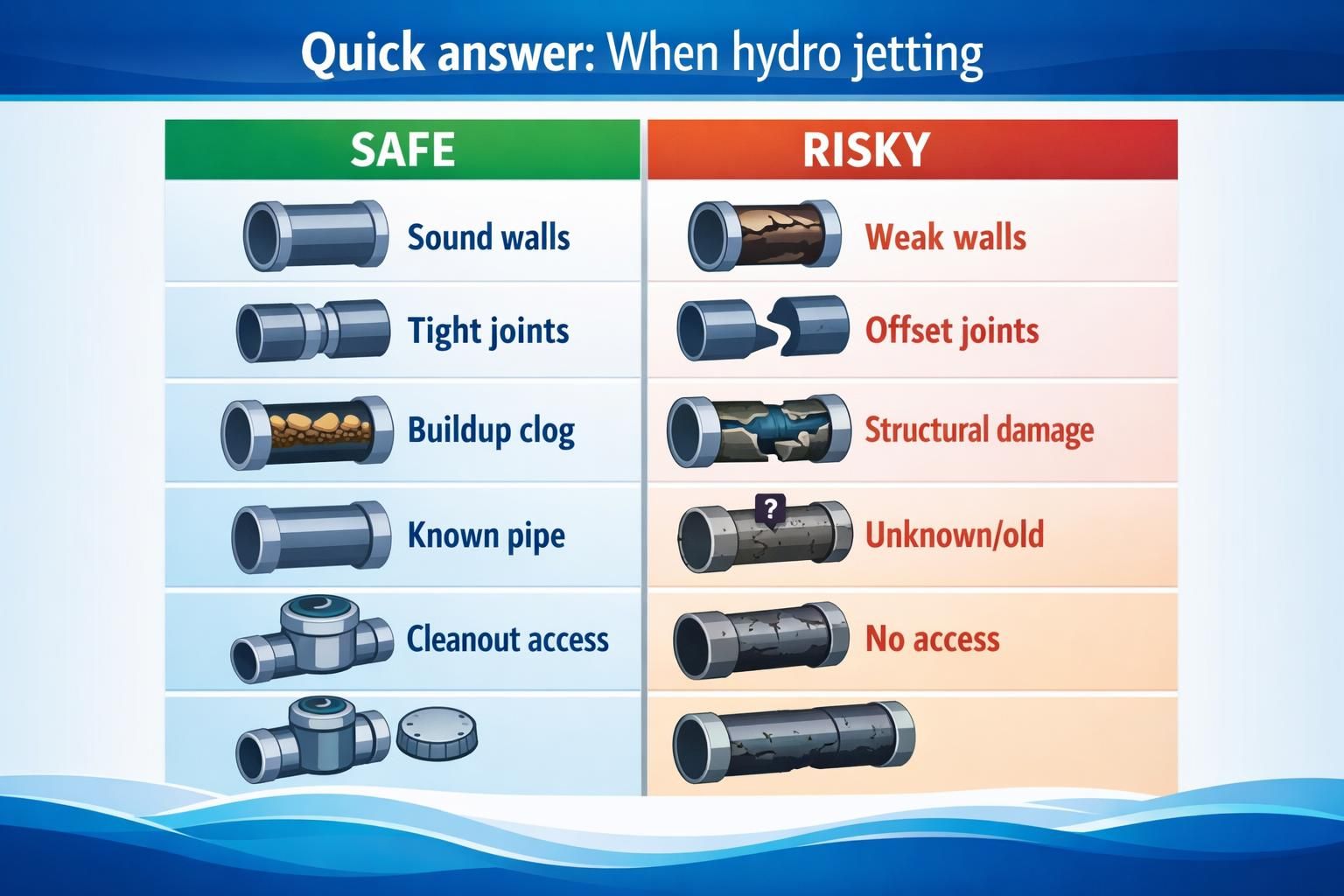
A good rule of thumb is this: if your clog is “buildup” (grease clog, sludge buildup, mineral deposits), jetting often helps. If your clog is “damage” (collapsed pipe, broken joint, severe offset), jetting won’t fix the real problem and can expose it fast. If you’re still deciding, signs you need jetting can help you compare symptoms.
How Hydro Jetting Works (and Why Pressure Matters)
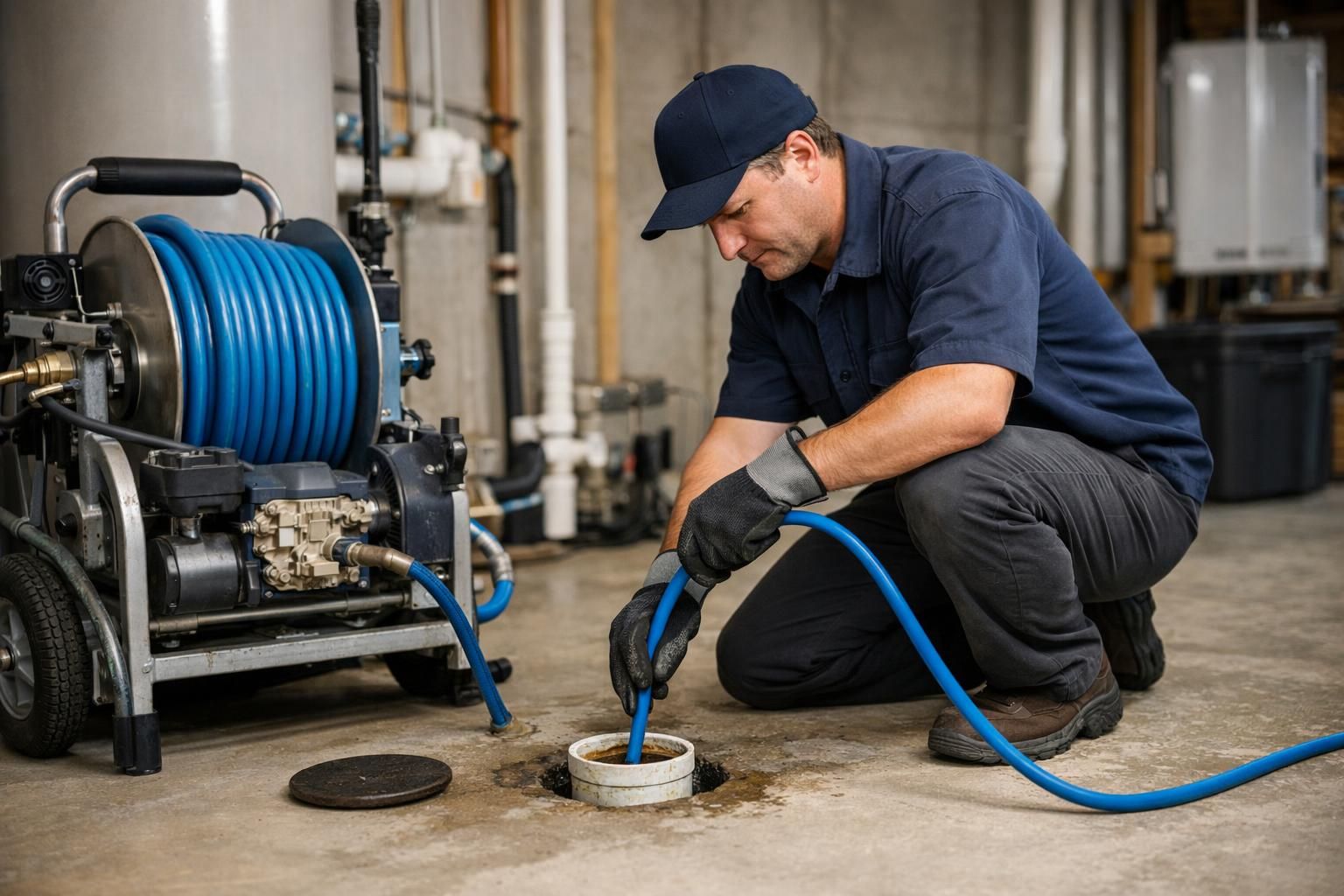
Hydro jetting works by sending high-pressure water through a jetting hose and jetting nozzle to scour the inside of the pipe. The nozzle usually has rear-facing jets that push the hose forward while blasting the pipe lining clean, plus sometimes a forward-facing jet to break into a blockage.
Pressure matters because water pressure (PSI) is the “force” part of the cleaning. Too low, and it won’t remove scale buildup. Too high, and it can stress weak areas, especially at a pipe joint. A plumber also adjusts nozzle size and flow so the water does the cleaning without hammering one spot for too long. If you want a basic walkthrough, what hydro jetting is explains the process in plain terms.
How Hydro Jetting Can Damage Pipes (the Real Failure Modes)
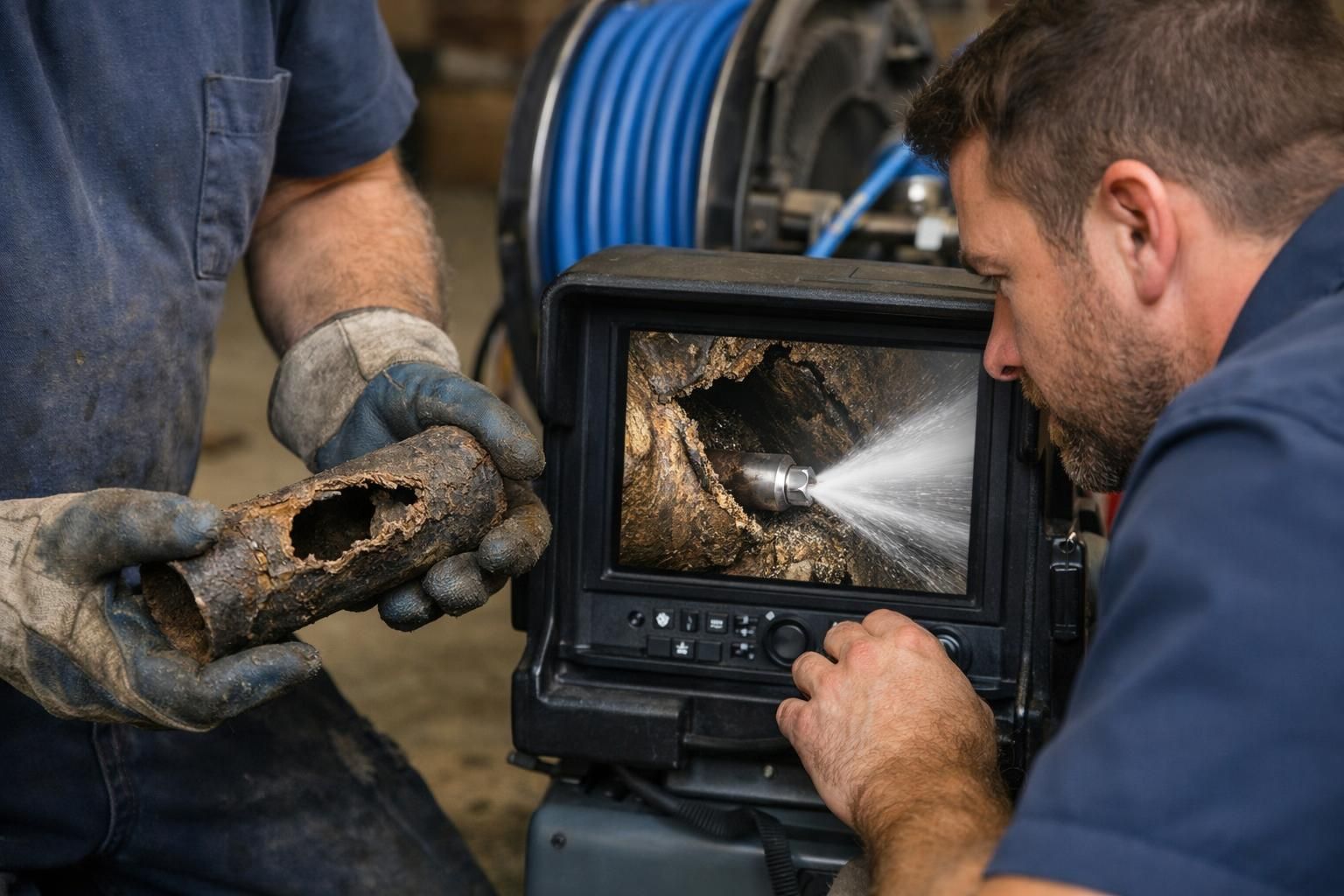
Hydro jetting can damage pipes by exploiting weak spots, not by magically “cutting” good pipe in half. The most common failure modes are blown joints, worsened cracks, dislodged corrosion scale that exposes pinholes, or pushing debris into a worse blockage downstream.
So what does that look like in practice? A line that barely held together can start leaking after the cleaning. Or a clog clears, but now you’ve got standing water because the camera finally shows a belly or a collapse that was hidden by sludge. This is why operator skill and inspection matter more than the idea of jetting itself.
Pre-existing Damage (cracks, Corrosion, Offsets, Collapse)
Pre-existing damage is the big reason people end up saying hydro jetting damage pipes. Corrosion thins metal, cracks open under stress, and offsets (when pipe sections don’t line up) create edges that catch the nozzle. If a pipe is already partially collapsed, pressure and vibration can finish the job and trigger a full blockage or leak.
Wrong Settings or Technique (PSI, Nozzle, Dwell Time)
Wrong settings can turn cleaning into concentrated force. Too much PSI for the pipe material, a nozzle that’s too aggressive, or lingering in one spot (dwell time) can stress joints and weak walls. Poor technique can also whip the hose against fittings, especially in tight turns, or blast directly into a compromised section until it fails.
Which Pipe Types Are Most Vulnerable
The pipes most vulnerable to hydro jetting are older materials and anything that’s already degraded. Pipe material matters because different pipes fail in different ways. Some crack. Some corrode. Some deform. Age matters because joints loosen and walls thin over time.
Homeowners also run into a “mystery pipe” problem, especially on older homes. If you don’t know whether you’ve got cast iron pipe, clay pipe, Orangeburg pipe, or newer plastic, you’re guessing. That’s where an inspection earns its keep, and it’s also why questions like can hydro jetting damage cast iron pipes or can hydro jetting damage clay pipes don’t have a one-size-fits-all answer.
Old Cast Iron, Clay, Orangeburg, Galvanized
Old cast iron often has heavy pipe scale buildup and corrosion, so jetting can knock loose layers and reveal weak spots. Clay pipes can crack and have joints that invite root intrusion, so pressure can worsen a crack or shift a joint. Orangeburg can deform or collapse because it’s a fiber-based pipe. Galvanized lines may be narrowed by mineral deposits and weakened by internal rust.
Newer PVC/ABS/copper—what “safe” Typically Means
Newer PVC pipe and ABS pipe usually handle hydro jetting well when they’re properly installed and not already damaged. Copper pipe in drain applications can still have vulnerable joints, but it’s often predictable when it’s in good shape. “Safe” typically means no sagging sections, no separated joints, and no signs of prior leaks or DIY patches.
How to Know if Your Pipes Might Not Handle Hydro Jetting
Your pipes might not handle hydro jetting if your symptoms suggest structural problems, not just buildup. The trick is separating “stuff in the pipe” from “pipe is failing.” Persistent clogs can be either, but patterns tell you a lot. If the whole house is affected, think main sewer line. If one fixture is slow, think local drain line.
Before you commit to jetting, it’s smart to consider an inspection path first. A sewer camera can show whether you’re fighting grease and sludge, or fighting a broken line. For a deeper comparison of when a camera is the better first move, camera vs jetting guide lays out the tradeoffs clearly.
Symptoms at Home (recurring Backups, Slow Drains, Sewer Odors)
Recurring backups that return quickly can mean roots at joints, a belly holding water, or a narrowing pipe from scale. Multiple slow drains at once often points to the main sewer line, not one trap. Sewer odors can happen with blockages, but they can also hint at leaks or broken seals, especially if smells are stronger near a specific area.
Red Flags From an Inspection (scale, Thinning Walls, Bellies, Roots at Joints)
On camera, thick scale is a warning because it can hide thinning walls underneath. Thinning walls and corrosion mean less strength against pressure. Bellies are low spots where water sits and debris collects, so jetting may help temporarily but clogs return. Roots at joints suggest openings that need repair, not just cleaning, and does jetting remove roots explains why roots often come back.
How Plumbers Prevent Damage (best Practices to Look For)
Plumbers prevent damage by verifying pipe condition first and then matching the equipment setup to what the pipe can handle. That includes choosing the right access point, usually a cleanout, and using staged passes instead of trying to “blast” everything in one go. Good techs also manage water usage and debris flow so loosened sludge doesn’t just relocate into a new blockage.
Another big safety factor is knowing when to stop. If the hose meets a hard obstruction that feels like a collapse or a sharp offset, forcing it can tear something up. A cautious approach may mean switching tools, reducing pressure, or recommending repair instead of more cleaning.
Camera Inspection Before and After
A sewer camera inspection before jetting confirms pipe material, checks for cracked pipe sections, and shows where the blockage is sitting. After jetting, a second look confirms the walls are clean and the line is open, and it can reveal issues that were hidden behind buildup. That before-and-after proof is also useful if you’re planning a repair.
Matching PSI/nozzle to Pipe Material and Condition
Matching PSI and nozzle selection to the line is the heart of pressure calibration. Softer or older materials need gentler settings and less aggressive nozzle designs. Tougher buildup might need a different nozzle size or jet pattern rather than just “more pressure.” The goal is even cleaning along the pipe walls, not drilling at one point.
Safer Alternatives if Hydro Jetting Isn’t a Fit
If hydro jetting isn’t a fit, safer alternatives include a drain snake (also called a drain auger), targeted root cutting, or selective repairs. Snaking is more like poking and pulling than washing, so it can be gentler for fragile pipes, even though it may leave residue on the walls. Chemical drain cleaner is usually a poor substitute because it can damage pipes and rarely fixes heavy grease or scale.
In some cases, the safest “alternative” is fixing the pipe. Spot repairs, lining (adding a new interior layer), or replacement may be the only way to stop recurring backups when there’s collapse, severe corrosion, or chronic root intrusion. If cost questions are part of your decision, hydro jetting cost factors explains what typically drives the scope.
Conclusion
Yes, can hydro jetting damage pipes is a real concern, but it’s mostly about pipe condition, pipe material, and how the job is done. If your line is solid, hydro jetting can clear grease, sludge, and scale better than most other methods. If your pipes are old or showing red flags, start with a camera inspection and choose the gentlest option that matches what you’re actually dealing with.