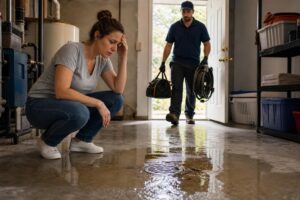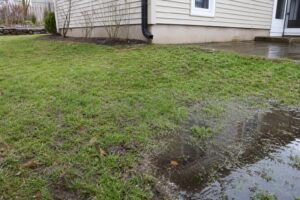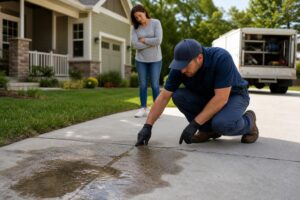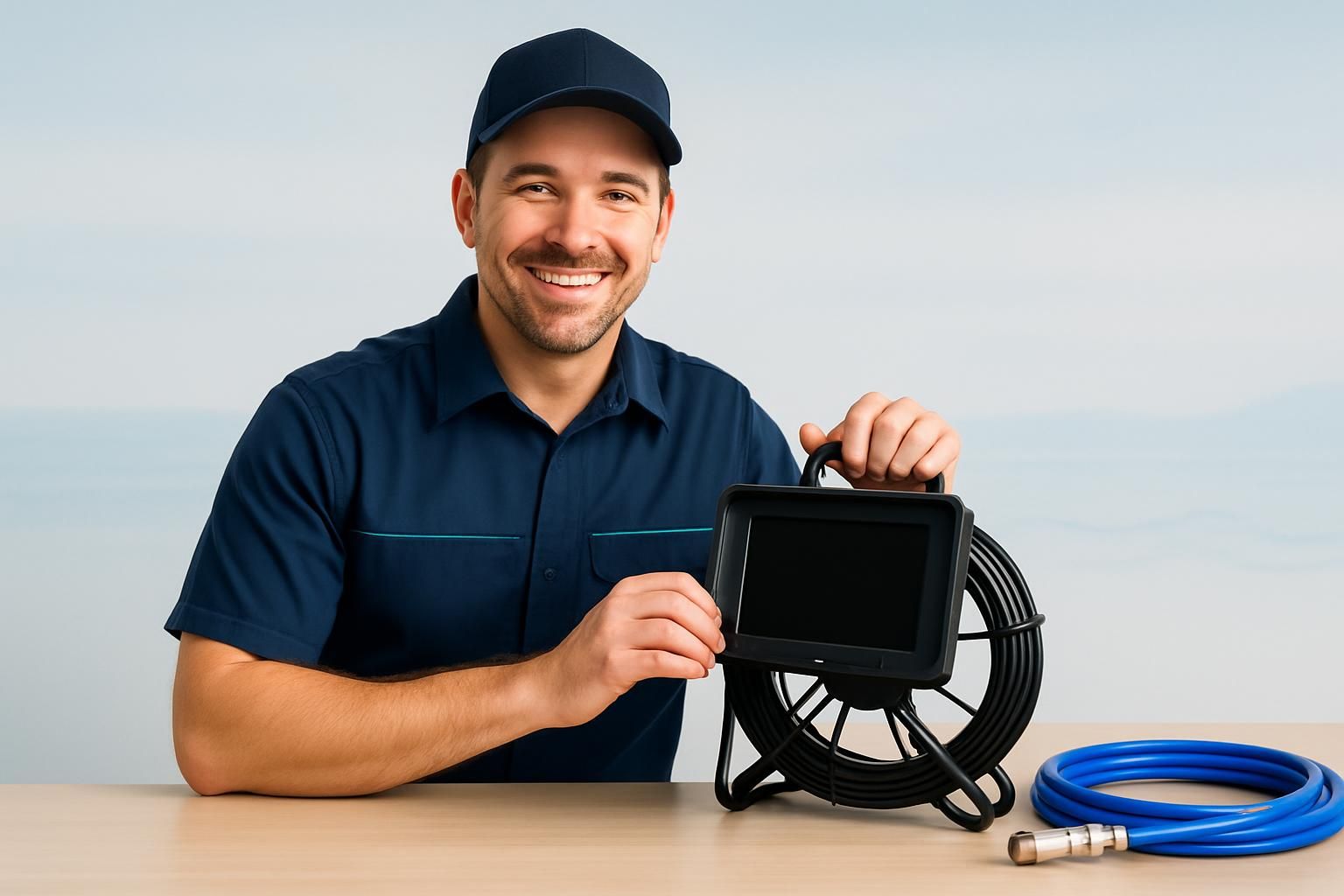
Choosing between sewer camera inspection vs hydro jetting comes down to this: do you need a diagnosis, or do you already know you need a deep clean? A camera inspection shows what is happening inside the line, while hydro jetting removes buildup with high-pressure water. Many homeowners and property managers schedule both in an order that protects the pipe and reduces repeat clogs. This guide explains what each service does, what a camera can reveal, when jetting is the right next step, and how to decide what to schedule first based on your symptoms.
- A camera inspection shows the cause and location of a problem, not just the symptoms.
- Hydro jetting is a powerful cleaning method that works best after you know the pipe condition.
- Cameras can reveal issues jetting cannot fix, like collapsed pipe, offsets, or severe root intrusion.
- Sometimes a quick jetting is reasonable first, but only when risk is low and symptoms are mild.
- Booking both often means inspection, targeted cleaning, and a verification pass to confirm results.
Why these services are often paired
Drain problems often involve both buildup and pipe conditions that make clogs return. Grease, soap scum, and sludge can narrow a line, while roots, shifting soil, or aging materials can create defects that catch debris. That is why sewer camera inspection and hydro jetting are often paired: the camera shows what is happening and where, and jetting restores flow by cleaning pipe walls.
Pairing them cuts guesswork. Without visuals, it is easy to treat every slow drain as a simple clog or miss damage that needs repair. A sewer scope inspection helps you decide whether jetting is appropriate, how aggressive it should be, and when repair is the better next step.
What a sewer camera inspection tells you
Drain problems often involve both buildup and pipe conditions that make clogs return. Grease, soap scum, and sludge can narrow a line, while roots, shifting soil, or aging materials can create defects that catch debris. That is why camera inspection and hydro jetting are often paired: the camera shows what is happening and where, and jetting restores flow by cleaning pipe walls.
The advantage is precision. You can pinpoint the issue and choose the next step instead of guessing. In older or unknown lines, inspecting before hydro jetting can help avoid sending high pressure through weak or damaged sections.
What the camera can identify
A camera inspection can show both soft blockages and structural problems.
Soft blockages include grease, scale, soap residue, and sludge that reduce the internal diameter. Structural issues include cracks, separated joints, corrosion, bellies where water stands, and misalignment. Cameras also reveal intrusions such as roots, construction debris, or foreign objects.
It is especially useful when clogs repeat. Footage can show whether you are dealing with ongoing buildup or a defect that keeps catching debris. Typical findings include:
- Grease or sludge coating the pipe walls
- Mineral scale reducing the internal diameter
- Root intrusion at joints
- Offset joints and misalignment
- Cracks, breaks, or collapsed sections
- Standing water indicating a belly or poor pitch
When a locator matters
Many inspections include a locator to identify the approximate position and depth of the camera head from above ground. This matters when repairs are likely and you want to avoid unnecessary digging around the sewer cleanout. If the camera finds a break under a driveway or a belly in the yard, locating helps mark the right spot.
A locator also helps when symptoms are misleading and the restriction is farther downstream than expected. Location guides the best access point, whether that is a cleanout or another entry. If you are scheduling an inspection, ask whether locating is included and how findings will be documented for follow-up work.
What hydro jetting does after the diagnosis
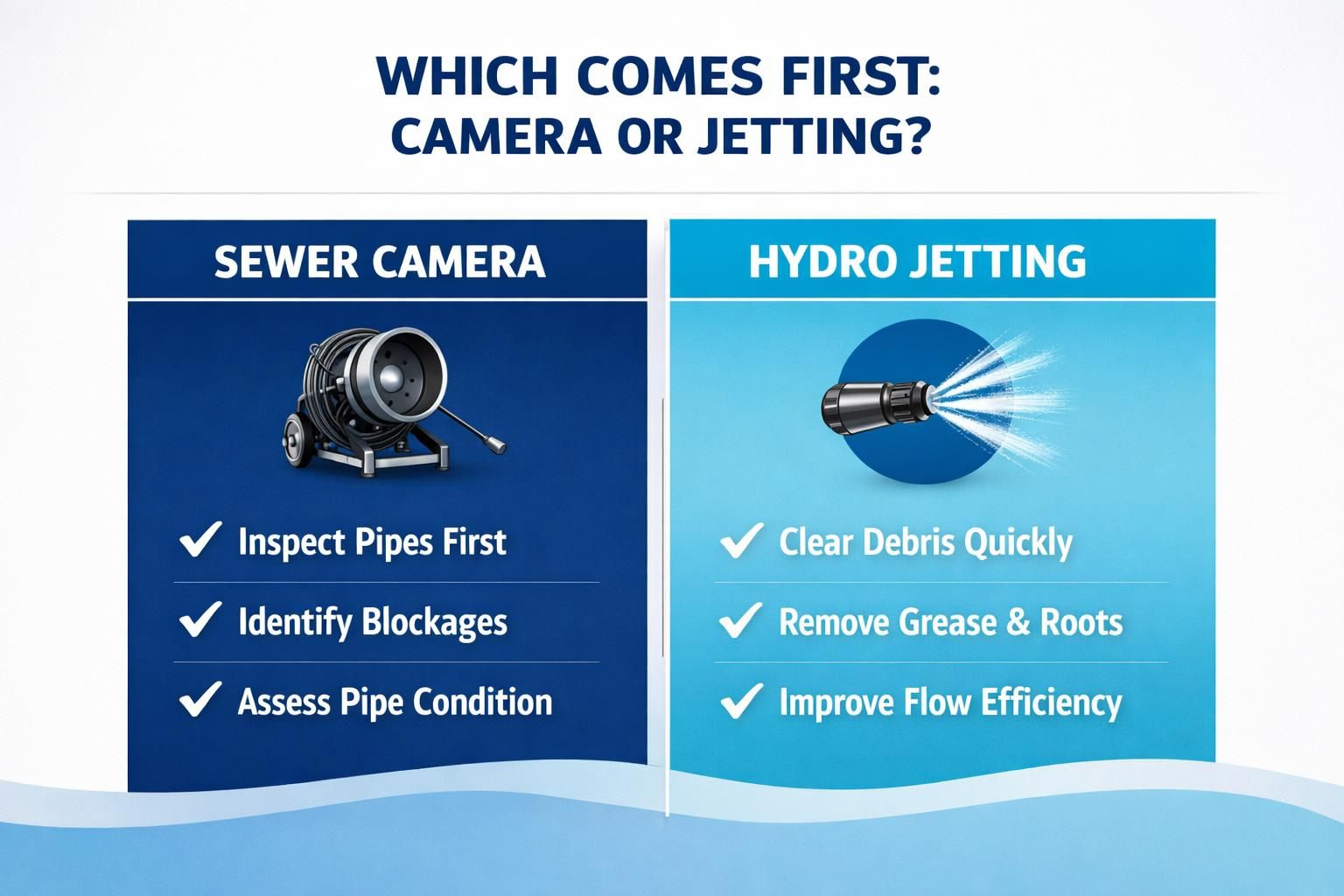
Hydro jetting cleans a pipe by sending high-pressure water through a specialized nozzle to scour the inner walls. Unlike basic snaking, which may only open a channel, jetting is meant to remove buildup around the full circumference. It is effective for grease and sludge and can improve flow when a line has gradually narrowed.
After a camera inspection, jetting is more controlled. The footage helps confirm the pipe can handle the pressure and guides nozzle choice and technique. Jetting can clear lighter root intrusion and flush debris, but it does not fix the entry points that allow roots in, making hydro jetting services inadequate for some situations. If the camera shows major offsets, collapses, or severe deterioration, hydro jetting may be the wrong tool, and repair or replacement may be needed.
Which comes first: camera or jetting
In most cases, camera first is the safer choice because it reduces unknowns. When you can see the problem, you can choose the least risky and most effective solution. That is the heart of the sewer camera inspection vs hydro jetting decision: diagnosis usually comes before heavy cleaning, especially with older pipes or recurring backups, making it essential to understand what hydro jetting is and how it works.
There are exceptions. Jetting first can make sense for routine maintenance or mild symptoms that match buildup. The right order depends on pipe age and material, recent history, and how urgent it is to restore flow.
When camera first is the safest choice
Camera first is best when the line may be compromised or blocked by something jetting cannot solve. If multiple fixtures are affected, you notice sewage smells or gurgling, or clogs return quickly after snaking, a drain camera inspection can reveal signs you need hydro jetting, a belly, or a partial collapse. Jetting a damaged line can worsen cracks, corrosion, or misalignment.
Choose camera-first when:
- You have an older home with unknown pipe material or condition
- You have had repeated backups or frequent clogs
- A previous cleaning only provided short-term relief
- You suspect roots, a break, or settling issues
- You are buying a property and want clarity from a sewer scope inspection
In these situations, a video pipe inspection before hydro jetting helps confirm whether hydro jetting for grease clogs will solve the problem or whether repairs are the real answer.
When jetting first may be reasonable
Jetting first can be reasonable when you have a stable line and symptoms strongly suggest routine buildup rather than damage. Commercial kitchen lines often follow a maintenance schedule where grease accumulation is expected. A newer line with a known history of grease buildup, and no signs of structural issues, can also be a good candidate for planned jetting.
Even in low-risk cases, many plumbers prefer at least a quick camera look if access is simple. If you skip the camera upfront, consider a follow-up inspection after jetting to confirm the pipe walls are clean and to spot early warning signs like a belly or joint separation.
What to expect if you book both
When you book both, the typical sequence is inspection, cleaning, then verification. The technician starts with a camera run to identify the cause and confirm the line is suitable for jetting. Hydro jetting, a key part of sewer backup prevention, is then performed from an access point, often a cleanout. A final camera pass may follow to confirm the buildup is removed and flow is restored.
To help the visit go smoothly, explain which fixtures are affected, how often it happens, and what past work has been done. Ask what access point will be used and whether anything needs to be moved to reach it. Results are usually better when jetting is guided by what the camera shows rather than done as a generic cleaning.
Cost and value: paying for clarity vs guessing
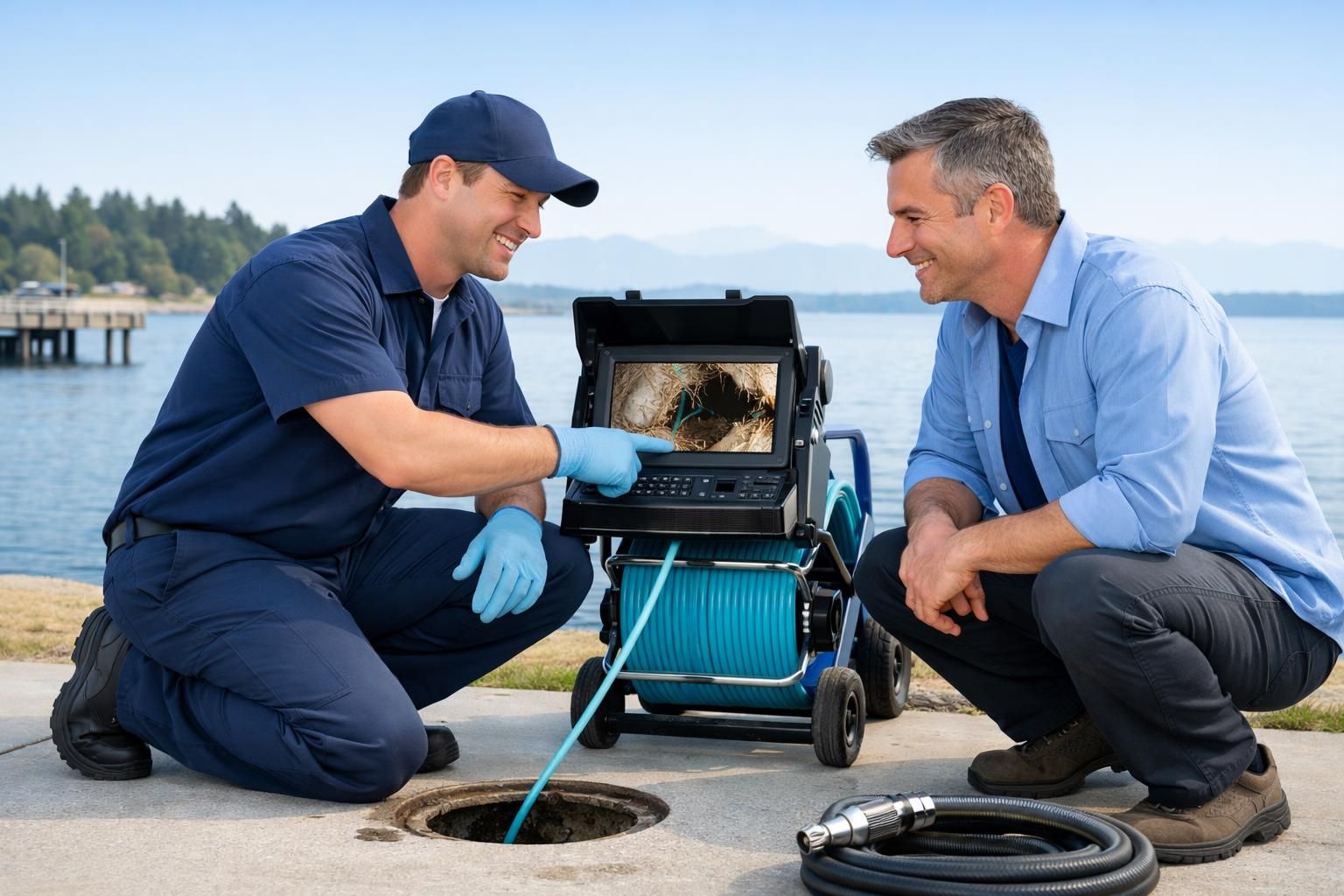
Sewer camera inspection cost varies with access, line length, whether locating is included, and whether the inspection is standalone or bundled. The value is the clarity you gain. A camera inspection can prevent repeat spending on temporary fixes and can help you avoid aggressive cleaning on a pipe that cannot handle it, which is especially important when considering hydro jetting cost.
Hydro jetting cost depends on buildup severity, time on site, and how difficult the line is to access and clean. The best value comes from matching the tool to the problem. When comparing quotes, ask what is included: an initial camera run, jetting time, a post-jetting camera verification, and whether you receive documented findings for future reference.
FAQs about camera inspection and hydro jetting
Homeowners often have similar concerns when deciding how to proceed, especially when the problem is urgent. The answers below focus on expectations and how the two services work together.
Is a drain camera inspection messy or disruptive?
Usually it is minimally disruptive. The camera is inserted through a cleanout or another access point while the technician monitors the feed. Some water or residue is possible, but it is typically controlled. Access matters most; if there is no cleanout, another entry point may be needed.
Can hydro jetting damage pipes?
Yes, if the line is already compromised. Hydro jetting must be matched to pipe material and condition, which is why a video pipe inspection before hydro jetting is often recommended for older lines, unknown materials, or repeated backups. When the pipe is sound and the work is done correctly, jetting is an effective deep-cleaning method.
Does a camera inspection guarantee you will find the problem?
It often identifies the cause if the camera can reach the area and visibility is adequate. Standing water, heavy sludge, or a complete blockage can limit what you can see about hard water and mineral scale in pipes. In those cases, partial clearing may be needed first, then the inspection can continue.
Is a sewer scope inspection the same thing as a sewer camera inspection?
In everyday use, yes. Sewer scope inspection is another term for the same video-based process. Some companies use different terms to describe package levels, such as whether locating, recording, or a written report is included.
If I already had the line snaked, do I still need a camera?
Often, yes, if the issue returns. Snaking can restore flow without showing why the clog formed. A camera inspection helps identify defects, roots, or buildup that may need a different solution than snaking.
Can hydro jetting remove tree roots?
It may clear lighter root intrusion and flush debris, but it does not seal the entry points. If roots are present, a camera can show where they enter and how severe the intrusion is, which helps determine whether cutting, treatment, or repair is needed to reduce recurrence.
Conclusion
For most situations, the smartest approach to sewer camera inspection vs hydro jetting is to see first, then clean with confidence. A camera inspection clarifies whether the issue is buildup, roots, or a structural defect, and it helps avoid aggressive cleaning in a line that may already be failing. Hydro jetting is a strong next step when the pipe is sound and the goal is to restore full diameter by removing stubborn residue from the walls. If you are dealing with recurring clogs, unknown pipe condition, or mixed symptoms, book an inspection first and ask about a post-cleaning verification. That sequence turns guesswork into a clear plan and a longer-lasting result.