
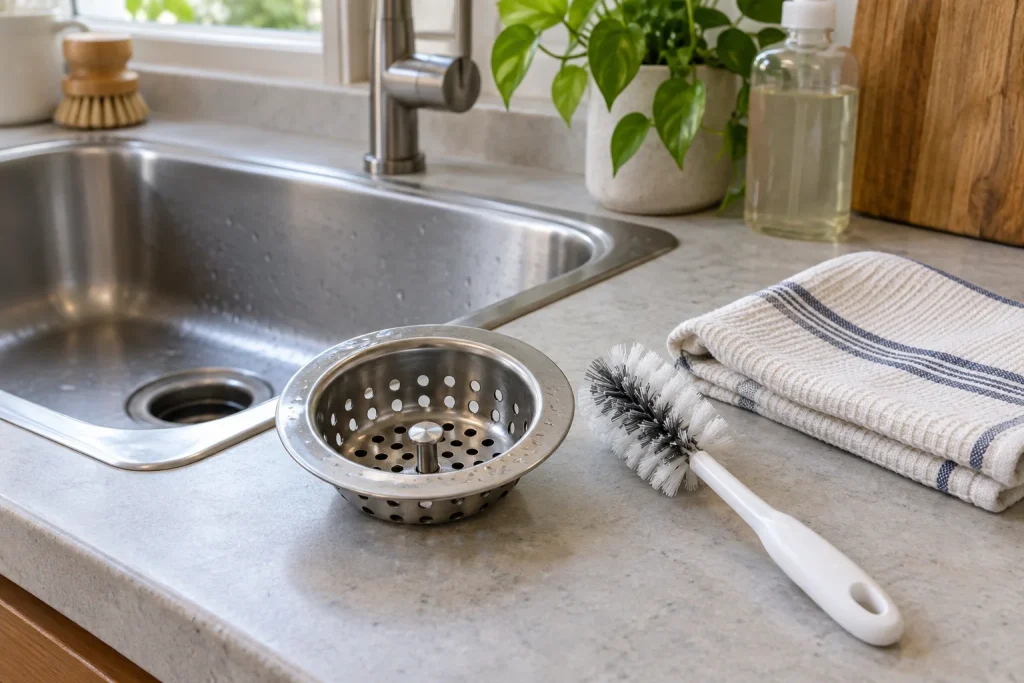
If you’ve ever had a sink that suddenly won’t drain, you already know why this matters. The real question is: how often should drains be cleaned so you avoid nasty surprises without overdoing it? In this guide, you’ll get a simple drain maintenance schedule by drain type, plus what changes the timing in real life. We’ll also cover the difference between DIY drain cleaning (small upkeep you can do yourself) and professional drain cleaning service options when buildup is deeper in your drain pipes or main sewer line.
Best for: Homeowners who want a simple routine to prevent clogs, odors, and slow drains without guessing.
Not ideal when: You have active sewage backups, repeated overflows, or you suspect a collapsed or damaged pipe.
Good first step if: You’re noticing slower flow and want a safe plan before you reach for harsh chemicals.
Call a pro if: Multiple fixtures back up at once or plunging doesn’t restore normal flow within a day.
Quick Summary
- Most homes do well with light monthly upkeep and a deeper cleaning plan a few times per year.
- Kitchen drains usually need attention more often because grease and food buildup sticks to pipe walls.
- Household size and daily habits can shorten the timeline a lot, even with “normal” plumbing.
- Slow draining, odors, and gurgling are early symptoms of drainage problems you shouldn’t ignore.
- Snaking clears a blockage. Hydro-jetting cleans pipe walls when recurring clogs keep coming back.
Quick Answer: Recommended Drain-cleaning Frequency
For most homes, do monthly DIY upkeep and schedule professional cleaning about every 1 to 2 years. This prevents buildup, keeps drainage efficient, and reduces odors. Heavy cooking, kids, hard water, or recurring clogs usually means cleaning more often.
What Changes the Schedule (pipes, Household Size, and Habits)
Your ideal drain cleaning schedule depends on how fast buildup forms in your plumbing system. Household size matters because more showers, dishes, and laundry means more soap scum, hair, and food particles entering the drain pipes. Habits matter even more. Pouring grease into a kitchen drain, using “flushable” wipes, or rinsing gritty debris can create a sticky lining that grabs the next bit of gunk.
Older Plumbing, Recurring Clogs, and Hard Water
Older plumbing may need more cleaning because rough interiors catch debris. Recurring clogs suggest ongoing buildup, not a one-off blockage. Hard water leaves mineral scale that narrows pipes and speeds up slow-drain symptoms.
Suggested Schedule by Drain Type (kitchen, Bathroom, Main Line)
Debris differs by drain: kitchens collect grease, bathrooms collect hair and soap scum, and a restricted main line affects multiple fixtures. Typical plan: kitchen monthly upkeep, deeper cleaning every 3 to 6 months; bathroom monthly upkeep, deeper cleaning every 6 to 12 months; main line professional preventive cleaning every 1 to 2 years, sooner with symptoms. See: clean a main sewer line.
Kitchen Sink and Garbage Disposal
Kitchen drains need frequent attention because grease coats pipes. Run cold water when using the disposal to keep fats solid and moving. Avoid grinding fibrous foods. Odors often come from residue in the drain line.
Shower/tub and Bathroom Sinks
Showers and tubs clog from hair and soap scum, often forming a hair “rope” under the strainer. Bathroom sinks also collect toothpaste and soap residue. More users usually means more frequent cleaning.
Signs Your Drains Need Cleaning Sooner
Don’t wait for a full backup. Early action is usually cheaper and easier. Slow draining is common, but not the only warning, and problems can accelerate after heavy use. Watch for pooling water, persistent drain odor after running water, gurgling that suggests trapped air behind a restriction, or needing a plunger repeatedly for the same fixture. Also note when two fixtures interact, like a tub bubbling when the toilet flushes. If several fixtures act up together, suspect the main line.
Slow Draining, Odors, Gurgling, and Backups
Slow draining and odors often mean buildup on pipe walls, not a single plug. Gurgling can indicate air trapped behind a restriction. Backups are late-stage; if wastewater rises, stop using water and treat it as urgent.
DIY Maintenance You Can Do Between Professional Cleanings
DIY drain cleaning is best for prevention. Reduce buildup so clogs don’t form: clean strainers weekly, toss hair and scraps, wipe grease from pans, and run hot water after soapy use. Use a plunger only for minor slowdowns. Baking soda and vinegar can deodorize, not clear clogs. Repeated issues mean a pro. Learn more: drain cleaning and repair.
Strainers, Grease Handling, and Hot-water Flushes
Strainers are cheap, effective protection, so use them wherever possible. Let grease and fats cool, then discard them instead of rinsing them down. Use hot tap water after normal use, not boiling water as a fix.
Professional Drain Cleaning Methods (snaking Vs. Hydro-jetting)
Snaking clears a specific blockage, while hydro-jetting removes heavy buildup from pipe walls. A drain snake (plumbing auger) is a flexible cable that breaks through or retrieves clogs. Hydro-jetting uses high-pressure water to scrub the line and restore flow. Pros typically ask which fixtures are affected, test drainage, and choose the safest method for your pipe type and condition. If clogs keep returning, they may recommend jetting. See indicators here: signs you need hydro-jetting.
FAQs (vinegar & Baking Soda, Chemicals, and How to Avoid Damage)
How Often Should You Clean Your Drains With Baking Soda and Vinegar?
Once a month is usually enough for light deodorizing with baking soda and vinegar. It may loosen mild residue near the drain top, but it won’t remove grease, hair ropes, or mineral scale deeper in the line.
Are Chemical or Foaming Drain Cleaners Safe to Use Regularly?
Regular chemical drain cleaner use is risky: it can damage pipes and fittings and is hazardous if it splashes. Foaming products may fit limited commercial protocols, not routine home care.
What’s the Difference Between Plunging, Snaking, and Hydro-jetting?
Plunging uses pressure to move a minor blockage near the opening. Snaking uses a cable to break through or pull clogs deeper in. Hydro-jetting uses high-pressure water to clean pipe walls and remove buildup.
Conclusion
A sensible answer to how often should drains be cleaned is: do small monthly upkeep, and plan periodic deeper cleaning based on your drain type and your household. Pay attention to early signs like odors and slow draining, because they’re your best warning. If multiple fixtures act up or clogs keep returning, move from DIY to a professional assessment before a small blockage turns into a messy backup.