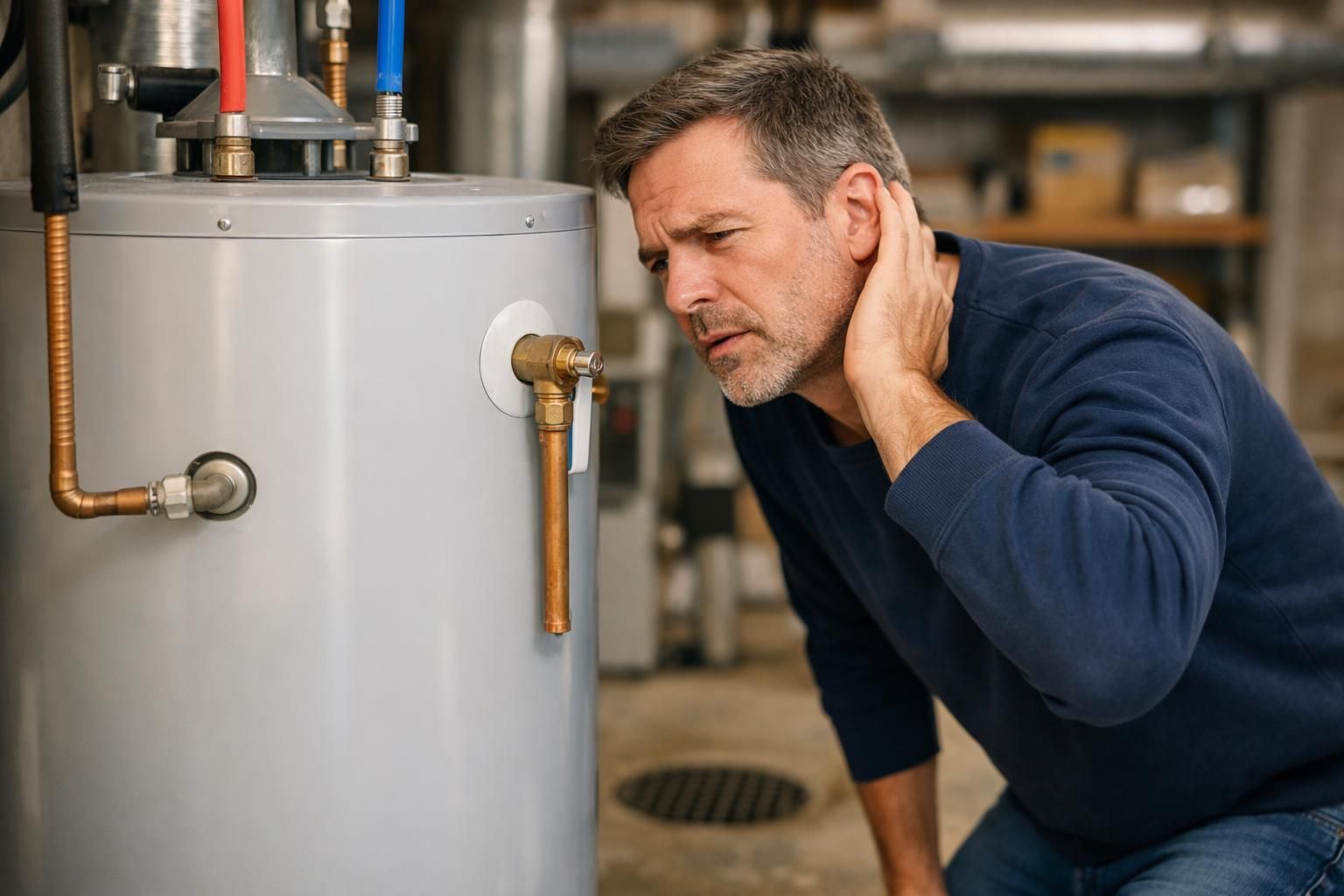
A water heater making noise can be totally normal, or it can be your early warning that something’s wearing out. The tricky part is that different sounds point to different causes. A popping noise often means mineral buildup in the tank. Rumbling can mean the same thing, just worse. And hissing might be harmless hot water movement, or it could hint at a leak or overheating.
In this guide, you’ll learn what the most common water-heater sounds mean, what you can safely check yourself, and when it’s time to stop troubleshooting and call for help.
Best for: Homeowners who want to match a water-heater sound to a likely cause and try safe, simple checks first.
Not ideal when: You smell gas, see water leaking, or the noise is paired with no hot water or tripped breakers.
Good first step if: You can identify the sound type and check basic items like valves, drains, and nearby plumbing.
Call a pro if: The tank is leaking, the noise is getting louder fast, or you’re unsure about gas or electrical safety.
Quick Summary
- Popping and rumbling usually come from mineral sediment cooking at the bottom of the tank.
- Hissing can be normal during heating, but steady sizzling may mean a small leak hitting hot parts.
- Banging can come from water hammer or expanding pipes, not always from the heater itself.
- Flushing helps when sediment is the issue, but it won’t fix failing parts like heating elements or valves.
- Combine the sound with symptoms like leaks, rusty water, or temperature swings to judge urgency.
Quick Answer by Sound Type
Most water-heater noises come from sediment, normal expansion, or a nearby valve or plumbing issue. Identify the sound and timing: during heating, right after hot water use, or randomly.
Popping or rumbling during a heat cycle usually indicates sediment on the tank bottom. Hissing during heating is often water movement, but constant sizzling warrants checking for leaks. Sharp banging is often water hammer, a pressure shock that echoes through the tank and pipes.
If noise comes with leaks, discolored water, or poor heating, treat it as a symptom of a larger problem. For deciding between a service call and a swap, see repair versus replacement basics for guidance.
Popping or Rumbling Noises
Popping or rumbling usually means sediment has collected on the tank bottom. As the burner or heating element heats the tank, water trapped under the mineral layer flashes into bubbles. Those bubbles breaking through the grit create the rumble or crackle.
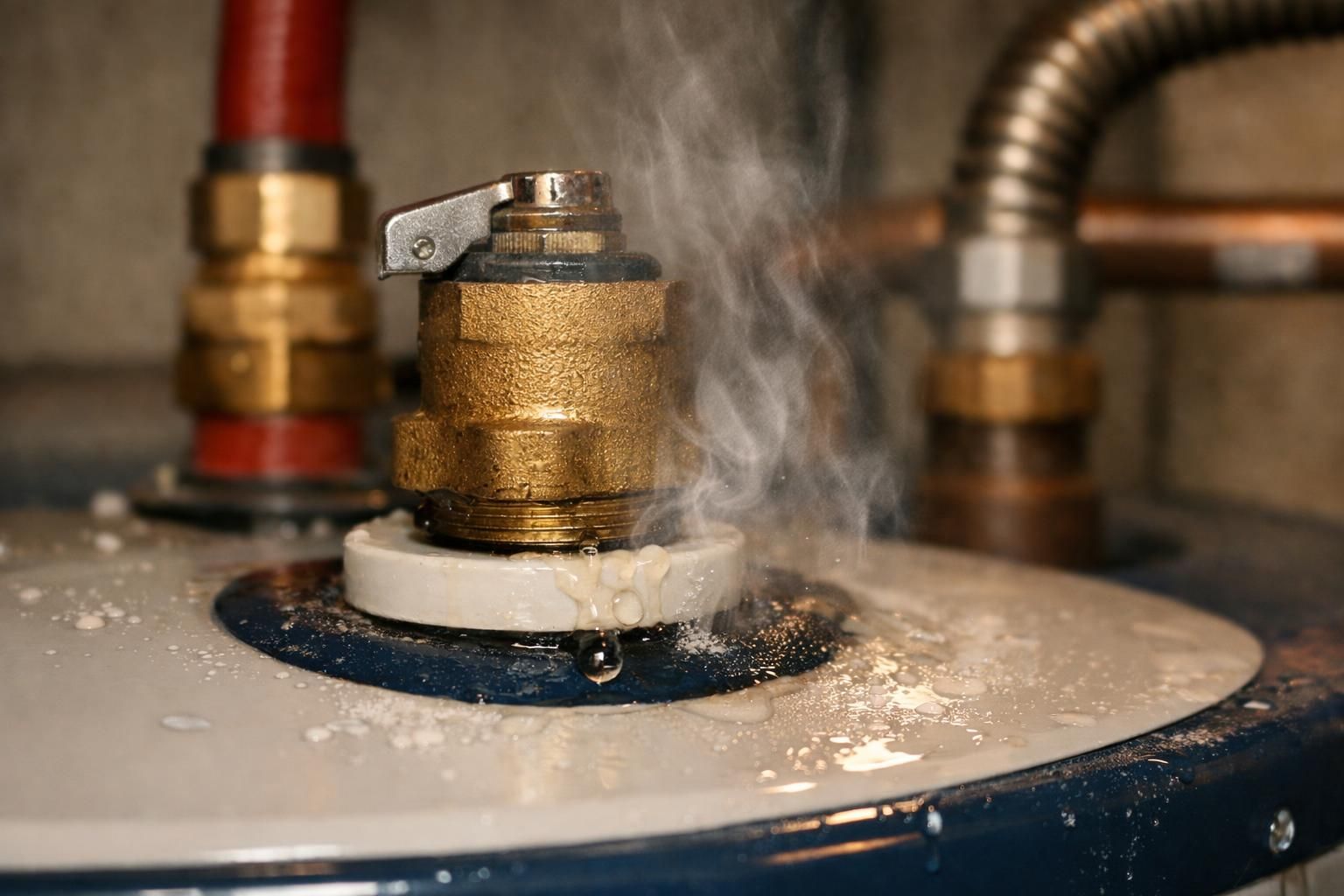
Sediment builds because minerals drop out of heated tap water and settle over time. A thicker layer makes the heater work harder, so the noise often appears after the unit has been heating for a while and may worsen over months.
Signs it’s sediment-related:
- Noise mainly during active heating.
- Hot water runs out sooner.
- Cloudy water or grit appears when you drain a little.
- Sound is low and rolling, not a sharp clang.
Look-alikes exist. An electric element coated in scale can make odd sounds and reduce performance. A dirty gas burner area can also rumble differently. If an electric heater also has lukewarm water, slow recovery, or breaker trips, it may be more than sediment.
Hissing or Sizzling Noises
Water heater hissing is often hot water moving through a valve or fitting. A steady sizzling sound can also occur when a tiny leak hits a hot surface.
Locate the sound without disassembling anything. Is it near the top connections, the temperature and pressure relief valve, or low near the burner or lower panel? The goal is separating normal air and flow sounds from water where it shouldn’t be.
Common causes include normal heating and expansion, a slightly open drain or relief valve, condensation that forms and evaporates during a heat cycle, or a small drip landing on hot metal. Do a quick moisture check. Carefully feel accessible fittings and nearby pipes, look for wetness at the base, and check the relief valve discharge pipe for dripping. If you can’t find a leak, check plumbing above the heater. A joint can drip onto the tank and fool you. If you also have damp spots or pressure changes elsewhere, water line repair options can help.
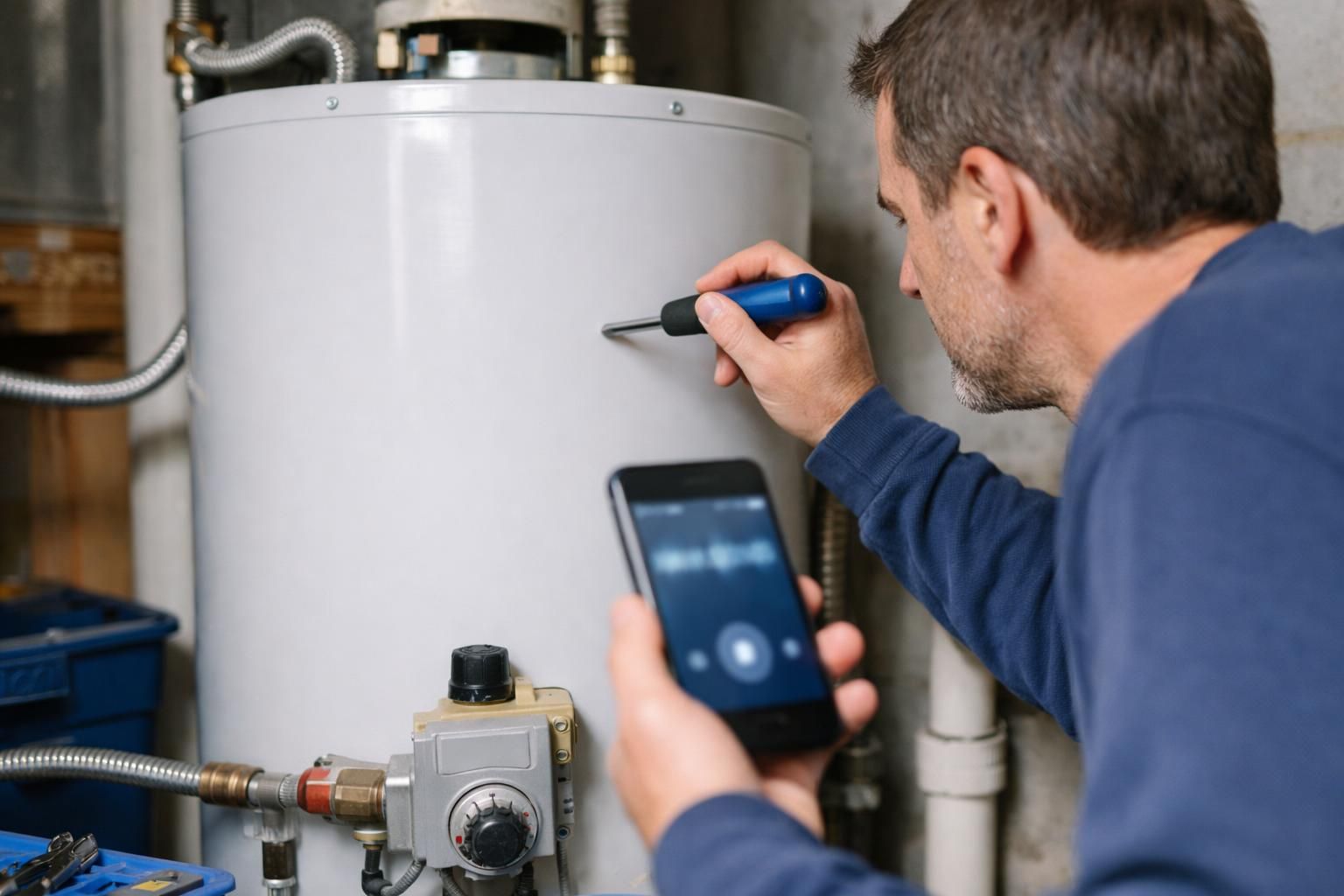
Banging or Hammering Noises
Banging or hammering is usually water hammer, a pressure shock that occurs when fast-moving water stops suddenly. The bang can seem like it’s from the heater even when the source is a nearby fixture.
It often happens when a valve closes quickly. Washing machines, dishwashers, and some single-handle faucets are common triggers. The heater can act like an amplifier because the tank and connected piping vibrate and echo.
Another cause is pipe expansion. As hot water warms pipes, they shift slightly. If a pipe is tight against framing or a bracket, it can knock. This is often a tick or pop, but it can sound loud near the heater.
Quick checks:
- Does it happen exactly when a faucet shuts off?
- Test fixtures one at a time.
- Look for exposed pipes touching wood or metal.
If water hammer fits, the fix is often a hammer arrestor or pressure adjustment. If banging comes with leaks or a spurting relief valve, stop and call for help.
When Flushing May Help
Flushing helps most when noise comes from sediment at the bottom of a tank-style heater. The aim is to remove loose mineral grit before it hardens. On older heaters, flush gently since drain valves can clog and heavy sediment can shift.
For a cautious flush: 1. Turn off heat. Electric: breaker off. Gas: set control to pilot or off. 2. Close the cold-water supply valve above the heater. 3. Let water cool if possible. 4. Connect a garden hose to the drain valve and route it to a safe drain. 5. Open a hot faucet to admit air. 6. Open the drain and run until clearer. 7. Briefly open cold supply to stir, then drain again. 8. Close drain, remove hose, and refill fully before restoring heat.
Don’t energize an electric heater until the tank is full. Don’t force a stuck drain valve. Flushing won’t fix scaled elements, burner issues, or relief valve problems.
When Noise Means Replacement Risk
Noise suggests replacement risk when it’s paired with leaks, overheating symptoms, or repeat failures that return after basic maintenance. Mild popping from light sediment is often manageable. Constant groaning, heavy banging, and water damage are different.
Red flags that point to tank or system failure:
- Water around the base, especially seeping from the tank body.
- Rusty or metallic-smelling hot water.
- Worsening temperature swings.
- Relief valve discharge that continues after hot water use stops.
- New noises right after a repair, such as an element or valve change.
This matters because a steel tank can fail quickly once corrosion or an internal leak starts. Flushing cannot repair a compromised tank.
If you’re unsure, document it. Take a photo of moisture, note when the noise occurs, and track whether it’s getting louder. If the heater is near finished floors or stored items, treat persistent noise seriously to avoid sudden damage and cleanup.
FAQ
Is a Water Heater Popping Noise Dangerous?
Usually not. It’s often sediment bubbling during heating. If it’s paired with leaks, burning smells, or relief valve discharge, treat it as urgent and get help.
Why is My Water Heater Rumbling During the Heat Cycle?
Rumbling during heating usually means sediment has thickened on the tank bottom. Bubbles form under that layer as it heats. Flushing can reduce noise, but heavy buildup may persist.
What Does Water Heater Hissing Mean?
Hissing often means water moving through a valve while heating. Constant sizzling suggests a drip. Check fittings and the relief valve discharge pipe for moisture and active dripping.
Can Banging Be Caused by My Water Heater Even if the Pipes Are the Problem?
Yes. The tank can vibrate and echo pipe pressure shocks. If it happens when a faucet shuts off, water hammer is likely even if it sounds local.
Should I Flush My Water Heater if It’s Very Old?
You can, but be cautious. Old drain valves clog, and stirring heavy sediment can trigger leaks. If the valve sticks or shutdown steps are unclear, call a plumber.
Conclusion
A water heater making noise isn’t one single problem, it’s a clue. Popping and water heater rumbling usually trace back to sediment. Hissing may be normal flow during heating, but sizzling can hint at a leak. Banging often comes from water hammer or pipe expansion nearby. Your practical next step is to match the sound to when it happens, do a quick moisture check, and decide whether a cautious flush makes sense. If you see leaking, repeated relief valve discharge, or the noise keeps escalating, bring in a pro before a small issue turns into water damage.