
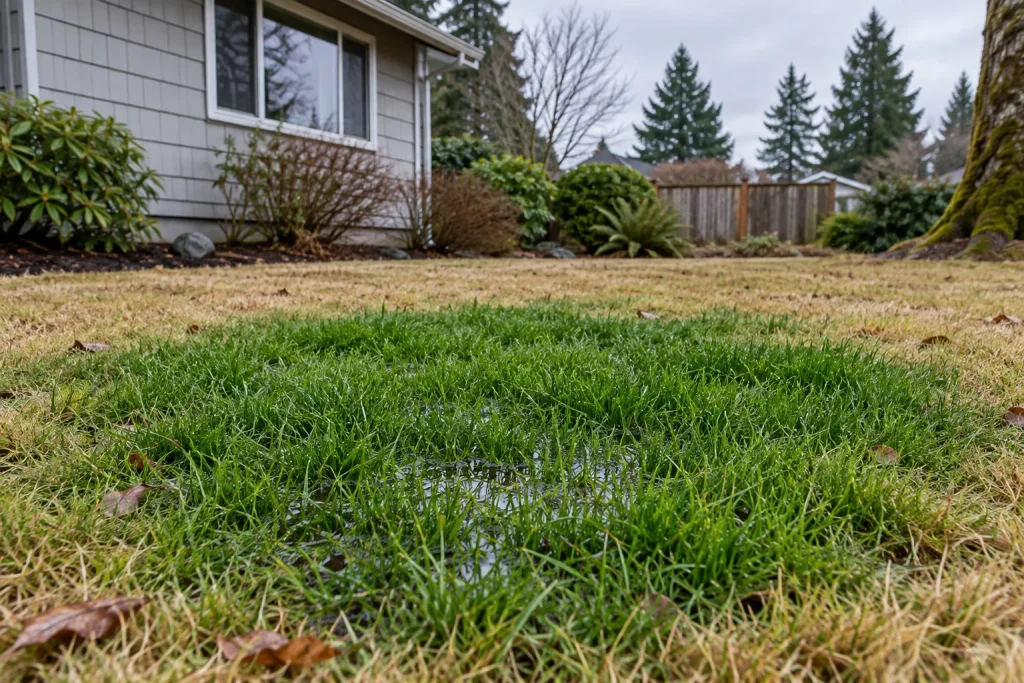
If you’ve got a soggy yard but no rain, your first question is probably simple: where is the water coming from? A wet patch can be caused by ordinary drainage, irrigation, a leaking underground water line, or a sewer or drain issue. The tricky part is that these problems can look similar at first. You see mud, soft grass, or standing water, but the source is hidden below the surface.
This guide walks you through safe, beginner-friendly checks. You’ll learn how to read the clues, compare water line symptoms with sewer symptoms, and know when it’s time to call a plumber instead of guessing.
This guide is best for homeowners who notice a wet yard during dry weather and want to narrow down the likely source safely. If you already see sewage, sinkholes, major flooding, or a wet area that smells bad, grows, lines up with buried piping, or keeps returning after dry days, call a professional instead of digging or touching the water.
Quick Summary
- A wet spot in yard plumbing leak concern is reasonable when the ground stays damp with no rain.
- Pressurized water leaks often create constant moisture, even when indoor fixtures seem normal.
- Sewer or drain problems may bring odors, slow drains, gurgling, or wastewater symptoms.
- Don’t dig into unknown wet areas because buried utilities and contaminated water can be unsafe.
- A plumber can use leak detection or camera inspection to confirm the source before repair.
Why a Yard Can Stay Wet Without Rain
A yard can stay wet without rain when water keeps entering the soil from below, nearby runoff, irrigation, or a hidden pipe leak. If one area is continually fed, it will not dry normally.
Common causes include poor grading, a sprinkler valve that will not fully close, a leaking irrigation line, or an underground plumbing leak. A damp patch that lasts through several dry days is worth watching, especially if it forms a straight strip along a walkway, driveway, or the route between the street and house.
Mark the edges and check again the next day. If the area grows or repeatedly returns, a buried water line becomes more likely than simple drainage.
Water Line Leak vs Sewer Line Problem
A water line leak usually involves clean pressurized water, while a sewer line problem involves wastewater leaving the home or failing to drain away properly. That difference matters because the symptoms, risks, and next steps aren’t the same.
A water line is the pipe that brings fresh water into your home. It’s usually under pressure, meaning water can escape continuously if the pipe cracks. A sewer line carries used water away from toilets, tubs, sinks, laundry, and floor drains. Sewer issues often show up inside the house too, not just in the yard.
| Problem type | What it carries | Common yard clue | Indoor clue |
|---|---|---|---|
| Water line leak | Fresh water | Constant wet soil | Fixtures may seem normal |
| Sewer line issue | Wastewater | Odor or damp area | Slow drains or backups |
| Drainage issue | Surface or groundwater | Wet after watering or runoff | Usually no plumbing symptoms |
Here’s the practical difference. A soggy yard water line leak may make one patch muddy while everything indoors still works. A sewer issue may show up as a damp area with a sewer-like odor, plus slow drains inside. If several drains act up together, that points more toward the main drain path than one small fixture clog.
You can compare your indoor symptoms with main sewer line clog symptoms when drains slow down, gurgle, or back up at the same time.
Signs the Leak is Pressurized Water
A pressurized water leak can keep soil wet nonstop, even when no fixtures, hoses, or appliances are running.
Watch for a patch that stays damp through dry weather, soft soil, unexplained pooling, or grass that looks greener and grows faster. Another clue is a wet area between the meter and the house. You may also hear faint running water or notice the meter moving when everything is off.
Do not rely on one sign alone. If several clues line up with the main service route, review main water line leak signs and avoid digging until it is checked.
Signs it May Be Sewer or Drain Related
A sewer or drain issue is more likely when the wet yard comes with odor, slow drains, gurgling, or backups indoors. Treat suspicious water as unsafe.
A sewer-like smell near a damp area is a strong warning sign. Inside, watch toilets, tubs, showers, and floor drains. Bubbling toilets, stronger drain odors, or several slow fixtures can mean wastewater is not moving through the main line correctly.
Common causes include tree roots, grease buildup, blockages, cracks, or a low spot in the pipe. These problems are often hidden, which is why camera inspection helps. If you want to understand the access point plumbers use, what a cleanout is explains the capped opening commonly used for sewer and drain work.
What Homeowners Should Check Safely
Check clues safely without digging, entering wet holes, or touching suspicious water. Your job is to gather information, not repair anything.
Mark the wet area with flags or stones and see if it spreads. Turn off hoses, sprinklers, appliances, and fixtures you understand. If the meter is safe to access, see whether it moves when everything is off. Indoors, check for slow drains, odors, gurgling, or standing water. Note whether the spot is near the street, foundation, driveway, cleanout, trees, or irrigation.
Do not dig to “take a look.” Buried utilities, unstable soil, and contaminated water are real risks. If you may need to stop an active leak, where is the main water shut can help.
When to Call a Plumber
Call a plumber when a wet yard area keeps growing, returns after dry weather, smells like sewer gas, or seems to follow buried piping. Guessing can waste time and worsen damage.
Also call if your water bill jumps, the meter moves when everything is off, water pressure drops, or the ground is muddy between the street and house. If several drains slow at once, the issue may involve the sewer or main drain.
A plumber can test for water-line leaks or inspect the sewer with a camera instead of digging blindly. Mention recent landscaping, driveway work, fence posts, heavy vehicles, or freezing weather, since these can stress buried lines. If indoor plumbing acts up too, multiple drains backing up is a useful clue that the main drain path may be involved.
FAQ
These FAQs answer the common questions homeowners ask after finding unexplained wet ground. The safest approach is to observe patterns, avoid contact with questionable water, and bring in help when the source is hidden.
Use the answers as a starting point, not a final diagnosis. Underground plumbing problems often need tools that can see or test what’s happening below the surface.
Can a Water Line Leak Happen if My Faucets Work Normally?
Yes. A buried water line can leak outside while faucets still seem normal, especially if the leak is small or pressure remains adequate. You may still notice soggy spots, an unexplained rise in water use, or hissing near the service line outdoors.
Is a Sewer Smell in the Yard Always a Sewer Line Break?
No, but it is a serious warning sign. Sewer odor plus wet ground, slow drains, or gurgling makes sewer involvement more likely. Other causes can include a dry trap, disturbed soil, or nearby venting issues, so prompt inspection helps narrow it down.
Should I Turn Off My Main Water Valve?
Only if you suspect an active clean-water leak and can reach the valve safely. It usually will not fix a sewer or drain problem.
Can Poor Yard Drainage Look Like a Plumbing Leak?
Yes. Drainage issues usually follow watering or runoff, while plumbing leaks often keep the same area wet during dry weather.
Do Plumbers Have to Dig up the Yard Right Away?
Not usually. Plumbers often start with questions, a visual check, meter testing, leak detection, or a sewer camera inspection. Digging is easier to plan after the likely source is narrowed down.