
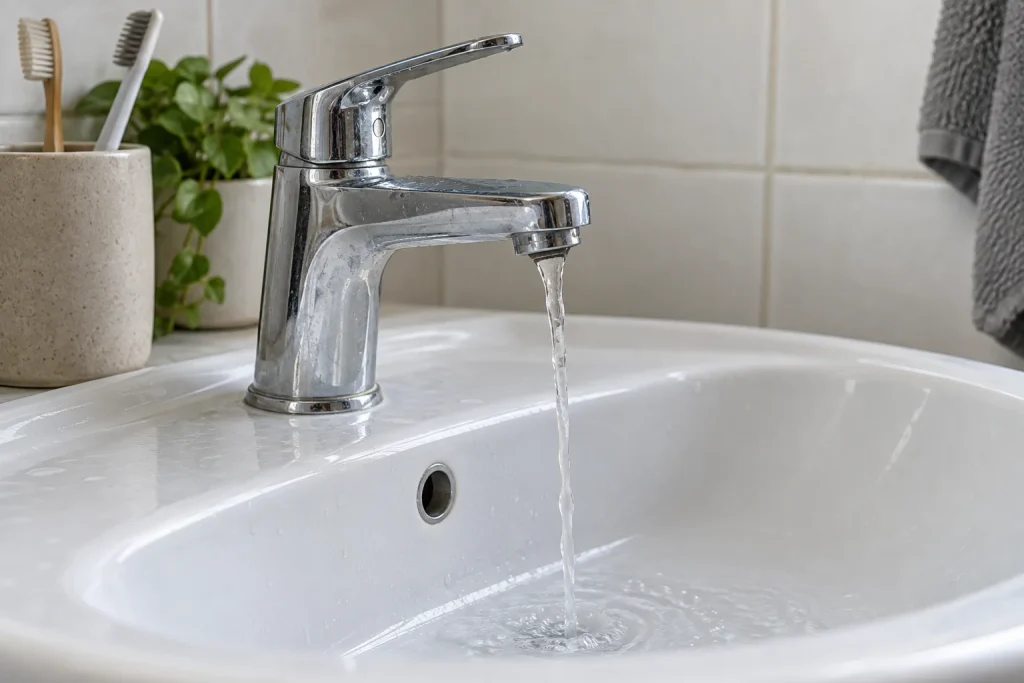
Low water pressure in one room usually points to a local plumbing issue, while pressure loss throughout the house can suggest a broader supply problem. The trick is to compare where the pressure drops, not just what the water feels like. Is it one sink? One shower? One bathroom? Or every faucet in the home? That pattern gives you the first real clue.
In this guide, you’ll walk through a simple fixture, room, or whole-house check. You’ll learn what each pattern can mean, when a water line problem becomes more likely, and what a plumber will usually inspect before recommending a repair.
Best for: Homeowners who want to narrow down pressure problems before scheduling plumbing service or trying small fixture checks. Not ideal when: Water is spraying, flooding, or causing visible damage, because that needs urgent help right away. Good first step if: You can safely compare several faucets, showers, and toilets without opening walls or removing plumbing parts. Call a pro if: Pressure drops suddenly across the home, you see leaks, or recent digging happened near the service line.
Quick Summary
- One weak faucet often points to a clogged aerator, valve, or fixture part.
- Low water pressure one bathroom can mean a branch pipe or room-level valve issue.
- Whole house low water pressure may involve the main shutoff, pressure regulator, meter, or service line.
- Sudden pressure loss after damage, digging, or leaks deserves faster attention.
- A plumber compares locations first, then tests valves, fixtures, pipes, and supply pressure.
Why Location Matters With Low Water Pressure
- 1One fixture — check that fixture
- 2One room — compare nearby fixtures
- 3Whole house — compare hot and cold water
The pattern helps guide diagnosis; it does not identify the cause.
The location of the pressure drop matters because it separates a small fixture problem from a possible whole-home supply problem. Think of your plumbing like a tree. The main water line is the trunk. Pipes to rooms are branches. Faucets and showers are the leaves.
Start by testing cold water first. Cold water gives a cleaner comparison because it usually comes straight from the supply piping. Hot water also passes through the water heater, which adds another possible cause. If pressure is weak only on hot water, the water heater or hot-water piping may be involved.
| Pattern | What it usually suggests | First simple check | Bigger concern |
|---|---|---|---|
| One fixture | Fixture part or small valve issue | Check aerator or showerhead | Damaged fixture valve |
| One room | Branch pipe or room valve issue | Compare sink, shower, toilet | Local pipe restriction |
| Whole house | Main supply issue | Check main shutoff valve | Water service problem |
Use this table as your first filter, not as a final diagnosis. If several fixtures suddenly change at once, the issue is less likely to be a single clogged screen. If you suspect the supply pipe feeding the home, water line repair may be part of the solution after diagnosis.
One Fixture or One Room Problems
Low pressure at one fixture or in one room usually means the problem is nearby, often at the fixture, shutoff valve, or that room’s branch piping.
Use a simple comparison first. Run the weak fixture on cold water, then test another fixture in the same room and one in a different room. Compare hot and cold sides, and note which fixtures are weak.
If only one sink has poor flow, check the aerator first. Sediment often clogs the screen at the faucet tip. If one shower is weak but the bathroom sink is normal, the problem may be the showerhead, valve, or cartridge.
If the entire bathroom is weak while the kitchen and laundry are normal, think beyond one faucet. A partially closed shutoff valve or a local branch line issue is more likely. The key is to compare first, then inspect parts, instead of replacing fixtures based on a guess.
Whole-House Pressure Problems
Whole-house pressure problems affect fixtures in several rooms, so the likely cause moves closer to the home’s main supply. If the kitchen, bathrooms, laundry, and outdoor faucets all feel weak, the issue is usually not one fixture.
Start by checking whether the main shutoff valve is fully open, but do not force a stuck valve. Then ask whether the pressure changed suddenly or declined slowly. A slow decline can suggest pipe buildup or wear. A sudden drop points more toward a valve problem, pressure regulator issue, leak, or supply interruption.
This pattern matters: low water pressure one fixture is usually local, one room is semi-local, and whole house low water pressure is supply-side until proven otherwise. Also check whether neighbors have the same issue. If nearby homes are affected, the public supply may be involved. If only your house is affected, focus on the meter, main valve, regulator, and indoor plumbing.
When a Water Line Issue May Be Involved
A water line issue becomes more likely when pressure drops across several fixtures and the cause is not limited to one room or one fixture. Pay attention to timing. If pressure changed after digging, driveway work, freezing weather, or yard work, the service line may be involved.
Outside clues matter too. Wet soil, soft spots in the yard, or water near the foundation can point to a service-line problem. Some issues show up gradually as weak pressure rather than obvious flooding.
If you’re comparing symptoms, main water line leak signs can help identify warning signs. If the service line is damaged or too worn for a simple repair, homeowners can review https://waterwaysplumbingllp.com/water-service-replacement/ before discussing replacement options with a plumber.
Warning Signs You Should Not Ignore
Some pressure problems need urgent attention because they can signal active leaking or damaged piping. Stop routine testing if water is spreading or damage is visible.
Watch for sudden pressure loss in multiple rooms, wet yard spots, wall or ceiling stains, running-water sounds when fixtures are off, cloudy or rusty water, or pressure changes after digging near the line. A leaking or stuck main shutoff valve also deserves caution.
If a pipe bursts, shut off water if safe and protect people and electrical areas. For immediate response steps, see pipe burst in the house? what. Low pressure is not always harmless. Water can still be escaping underground or inside a wall.
How a Plumber Diagnoses Pressure Problems
A plumber diagnoses pressure problems by identifying the pattern first, then checking fixtures, valves, supply components, and the water line in order. The goal is to avoid guessing and replacing the wrong part.
A typical visit starts with basic questions: is the problem at one fixture, one room, or the whole house, and does it affect hot water, cold water, or both? The plumber then tests several fixtures to confirm whether the issue is local or widespread.
Next comes a check of visible shutoff valves, fixture parts, and supply lines. If one fixture is weak, the cause may be an aerator, showerhead, cartridge, or small valve. If multiple areas are weak, pressure may be tested near the main entry point, and leak clues such as moisture, meter movement, or wet soil may be reviewed.
After the source is confirmed, the plumber recommends the proper fix, which may include water line repair options.
FAQ
Low water pressure questions are easiest to answer when you compare the pattern instead of focusing on one possible cause. The same weak stream can mean very different things in a sink, bathroom, or whole house.
These answers won’t replace an on-site diagnosis, but they’ll help you describe the problem clearly and avoid common guesses.
Why Do I Have Low Water Pressure in Only One Bathroom?
Low water pressure in one bathroom usually points to local fixtures, shutoff valves, or branch piping. If all bathroom fixtures are weak, the problem is likely in that bathroom’s supply path.
What if Only One Faucet Has Low Water Pressure?
Low water pressure at one faucet often comes from a clogged aerator, a partly closed supply valve, or a worn cartridge. Clean the aerator first, then retest flow.
Does Whole-house Low Water Pressure Mean the Water Line is Broken?
Not always. Whole-house low water pressure can come from the main valve, pressure regulator, municipal supply changes, pipe restriction, or the water line. Testing is needed before deciding.
Can Hot Water Pressure Be Low While Cold Water is Normal?
Yes. If only hot water is weak, the cause may involve the water heater, hot-side piping, or a valve. That pattern differs from a whole-home hot-and-cold pressure drop.
Should I Keep Using Water if Pressure Suddenly Drops?
Use caution. If pressure suddenly drops and you notice leaking, wet ground, stains, or running-water sounds, stop using unnecessary fixtures. Shut off water if it is safe. If several rooms are affected, or the drop follows damage, digging, or visible leaks, do not treat it like a simple clog. Write down what you notice and call a plumber.