The main sewer line is the single pathway that carries wastewater from your home to the municipal sewer or septic system. When it starts to block, the results can be messy, disruptive, and expensive if you wait too long. This guide covers the most reliable signs a main sewer line is clogged, what those symptoms look like, and what you can do immediately to reduce damage. You will also learn what typically causes a blockage, how plumbers confirm the problem, and which tools are used to clear it. If you are trying to decide whether the issue is one fixture or the whole house, these checkpoints can help you act quickly.
- If more than one drain is affected, the issue is more likely in the main line, not a single fixture trap.
- Gurgling, bubbling, and slow drains often appear before a full backup happens.
- Sewer odors and floor drain problems can signal trapped sewage gases or rising wastewater.
- Wet patches in the yard can point to a break or overflow along the line.
- Stop using water and avoid chemical drain cleaners until you know what is happening.
- A camera inspection is the clearest way to locate roots, breaks, sags, or heavy buildup.
How the main sewer line works
Your home has smaller drain lines from sinks, showers, tubs, laundry, and toilets. These feed into branch lines that connect to the main sewer line, usually underground and exiting through the foundation. Gravity does the work, so the pipe needs a steady slope to carry water and solids away.
Because it is the shared exit, the main line is a single point of failure. A clog near the house can push wastewater up into the lowest drains first, often a basement floor drain, a first floor shower, or a ground level toilet. This “lowest drain first” pattern is a key clue when deciding whether you have a whole house issue or an isolated fixture clog.
Common signs the main sewer line is clogged
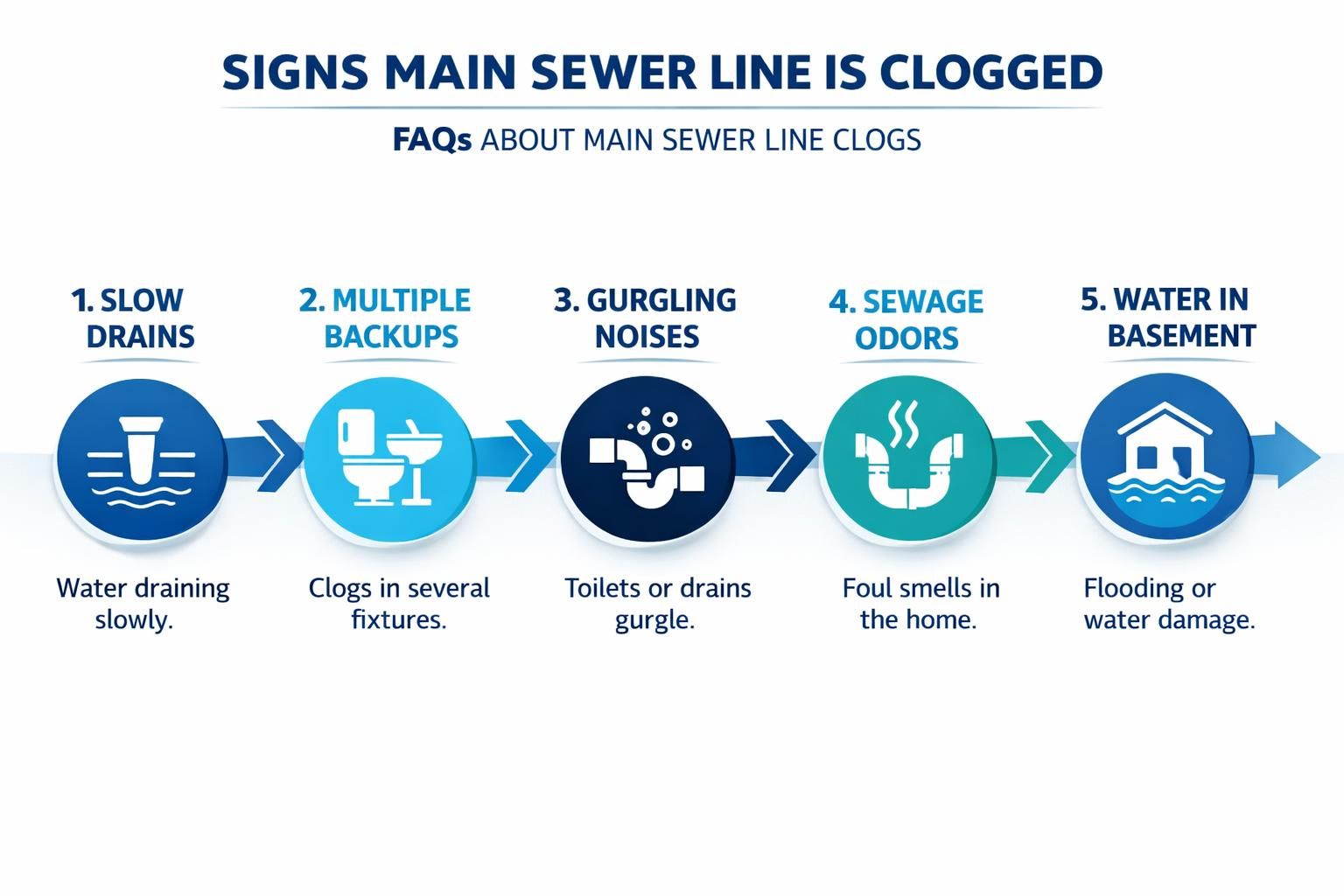
Main line problems usually show up as a pattern across fixtures. A single slow sink often points to a local clog, but when toilets, tubs, and floor drains act up together, suspect the main line. Prioritize symptoms involving multiple fixtures, unusual sounds, or sewage odor, especially when they repeat.
Also watch what happens during heavy water use. A partial blockage can seem minor until a washing machine drains or a long shower runs. As the opening narrows, symptoms typically escalate from slow drainage to gurgling to backups.
Multiple drains backing up at once
A strong clue is two or more drains backing up around the same time. You might flush a toilet and see water rise in the shower, or run the washer and notice the basement floor drain taking on water. When one fixture affects another, the blockage is usually downstream of both, often in the main line.
The lowest drains typically show trouble first. Track:
- Which drains are slow or backing up
- Whether backups follow toilet flushing, laundry, or showers
- Whether the problem is constant or mainly after heavy water use
This pattern can help narrow the likely location faster.
Gurgling toilets and slow tub drains
Gurgling happens when air is forced through a restricted pipe. You may hear bubbling in the toilet bowl, see the water level change, or notice odd refilling after another fixture runs. Venting issues can also cause gurgling, but gurgling plus slow drains in more than one area often points to a developing main line restriction.
Slow tubs and showers can be an early warning because they move higher volumes than sinks. If a tub is sluggish and other fixtures are also slowing, treat it as a system issue, not just hair at the drain.
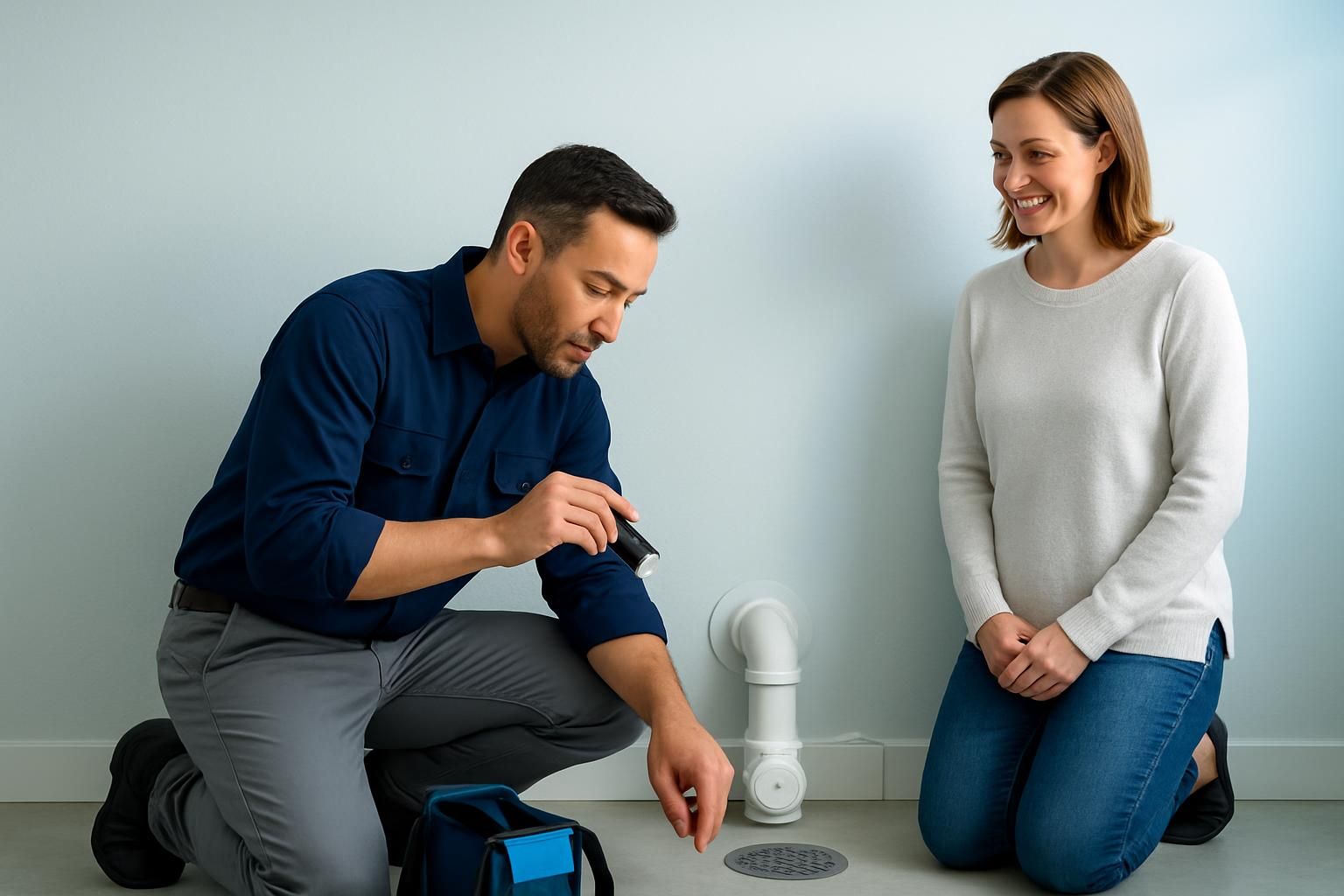
Sewage smells and floor drain issues
Sewer odors should not be ignored. A dry trap can cause smells from a rarely used drain, but persistent odor, odor that worsens when water runs, or odor from more than one drain can mean gases are being pushed back because wastewater is not moving out normally.
Floor drains matter because they are often the lowest opening and can be the first place sewage appears. Watch for:
- Foul smell near a basement or garage drain
- Residue or a damp ring around the drain opening
- Water rising when a toilet flushes or the washer drains
These signs often reflect pressure building behind a restriction in the main line.
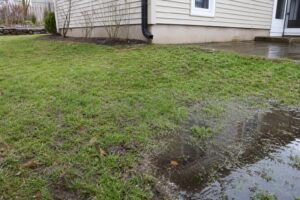
Water in the yard or wet spots
If the main line is blocked and there is a weak joint, crack, or break, wastewater can escape into the soil. This can show up as a wet patch, spongy ground, or unusual grass growth, sometimes with odor near the sewer path.
Wet spots can also come from irrigation or drainage issues, so do not rely on this sign alone. But when it appears alongside slow drains or indoor odors, it is more meaningful. Avoid digging until a professional confirms the line route and likely failure point.
What causes main line clogs
Most main line clogs come from roots, drain buildup, or pipe defects that trap solids. Causes often overlap: a shifted joint catches paper, grease narrows the pipe, then roots enter where moisture leaks. Over time, the line becomes less tolerant of normal use and eventually backs up.
The cause affects the fix. Restoring flow may stop today’s backup, but damaged or poorly sloped pipe can make clogs return. Older piping, mature trees, and repeat backups increase the odds of a deeper problem.
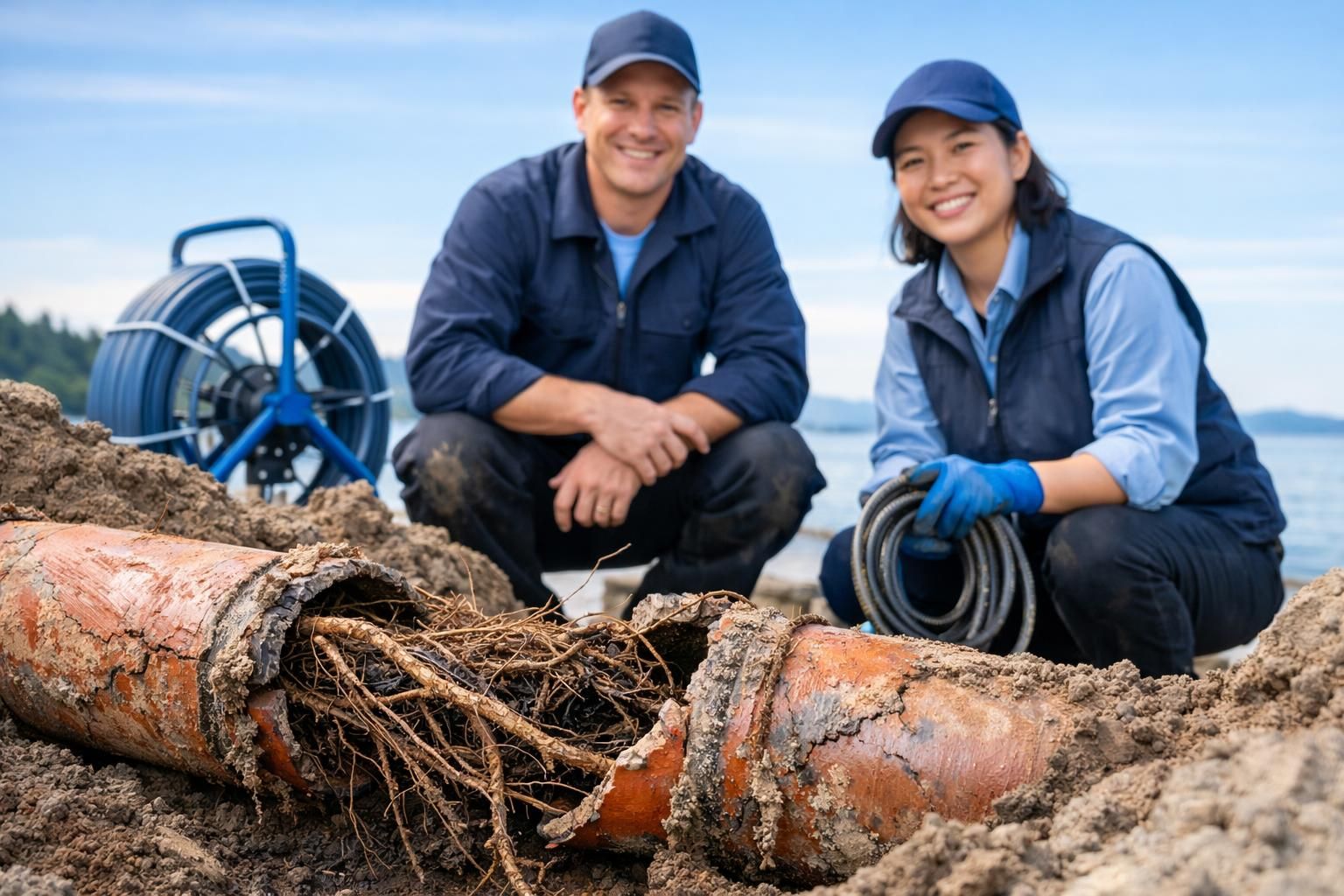
Tree roots and broken pipe joints
Roots seek moisture. A small crack, loose joint, or aging pipe can let roots in. Fine strands catch paper and waste, gradually forming a blockage.
Joints can shift from age, soil movement, or weight above the line. An offset joint creates a ledge that snags debris. If backups return soon after clearing, root intrusion or a damaged joint is a common reason. A camera inspection is usually needed to confirm the location and severity.
Grease, wipes, and debris buildup
Grease and fats cool and harden inside pipes, coating the walls and narrowing the opening. That layer traps food particles, hair, and soap residue until flow is restricted.
Wipes, even when labeled flushable, are a frequent cause because they do not break down like toilet paper. Paper towels and hygiene products cause similar problems. If symptoms started after changes in habits, consider grease disposal or wipe use. Reducing these inputs helps prevent repeat clogs after the line is cleared.
Bellies, sags, and collapsed sections
A belly is a sag in the pipe that holds standing water instead of draining. Solids settle there and create recurring blockages. Bellies often come from soil settlement or poor installation and may not be obvious until clogs become frequent.
Collapsed sections are more serious. A partial collapse may still allow some flow but will snag waste and trigger repeated backups. A full collapse can cause sudden, severe backups. If symptoms worsen quickly or relief after clearing is short-lived, a structural issue is likely and should be diagnosed before repeated cleanings.
What to do right away
First, stop using water. Flushing, showering, and running appliances can push more wastewater into a blocked line and increase the chance of overflow into tubs, showers, or floor drains. If you have a basement, check the lowest drains and avoid using fixtures above them.
Next, avoid chemical drain cleaners. In main line clogs they rarely reach the blockage, and they can create hazards if a plumber needs to open a cleanout. If you have an accessible sewer cleanout and know how to open it safely, you can check for standing water, but do not force anything. Practical steps include:
- Pause appliances like dishwashers and washing machines
- Keep family members from flushing unless necessary
- Contain minor seepage with towels or a shallow pan near floor drains
- Call a plumber and describe the pattern, not just one drain
Fast action limits damage while you confirm whether the problem is in the main line.
How plumbers diagnose the problem
Diagnosis aims to answer three questions: where is the restriction, what is causing it, and what condition the pipe is in. Plumbers start with symptom details, including which fixtures are affected and whether trouble follows laundry, showers, or flushing. They may locate a cleanout and check for standing wastewater.
The next step depends on severity and history. Some clogs clear quickly, but recurring issues usually need visual confirmation. Symptoms can suggest a main line problem, but inspection helps separate buildup and roots from pipe damage that will keep causing backups.
Sewer camera inspection
A sewer camera inspection runs a waterproof camera through the cleanout into the line. It can show root intrusion, buildup, offsets, cracks, bellies, and other defects. It is especially useful when backups return or when more than one cause is possible.
The camera reduces guesswork. Instead of clearing the line repeatedly without solving why it clogs, the plumber can recommend a targeted plan, such as root cutting, hydro jetting, or repair for a collapsed section. For homeowners trying to avoid repeat emergencies, this is often the most direct route to a long-term fix.
Snaking vs hydro jetting
Snaking uses a rotating cable to break through obstructions and restore flow. It can work well for localized clogs and may cut some roots, but it often leaves buildup on the pipe walls.
Hydro jetting uses high pressure water to scour the pipe interior, removing grease, sludge, and lighter root growth more thoroughly. It is often used when buildup is widespread rather than a single plug. The right choice depends on pipe material, condition, and what the camera shows. In fragile or damaged pipes, aggressive cleaning may need to wait until repairs are addressed.
FAQs about main sewer line clogs
Is a single slow drain enough to suspect the main line? Usually no. One slow sink or tub is often a local clog. Main line problems typically involve multiple fixtures or backups at the lowest drains. However, a single slow fixture can be an early warning if the blockage is developing.
What is the fastest way to confirm the problem is in the main line? Look for a pattern: multiple drains, gurgling toilets, and backups that worsen after heavy water use. Checking a main cleanout for standing water can provide a clue, but a camera inspection is the most direct confirmation.
Can I use a plunger if I suspect a main line clog? You can try a plunger on a toilet if it is the only fixture acting up. If multiple drains are affected, plunging may not help and can splash contaminated water. Focus on stopping water use and getting the line evaluated.
Why does the basement drain back up first? Because it is often the lowest opening connected to the sewer system. When the main line is restricted, wastewater rises and exits at the lowest point it can reach.
Will the problem go away on its own? A main line clog rarely resolves without intervention. Temporary improvement can happen if the blockage shifts, but it often returns, sometimes worse, because the underlying buildup or damage remains.
How can I reduce the chance of another main line clog? Avoid pouring grease down drains, minimize disposal of fibrous products, and be cautious with wipes. If roots are a known issue, routine maintenance and addressing pipe defects can help prevent repeated intrusions.
Conclusion
Main line issues are easiest to handle when you act early and recognize the pattern. Multiple drains backing up, gurgling toilets, persistent sewer odors, and wet spots outdoors are all meaningful clues, especially when they appear together or worsen after heavy water use. If you are seeing signs main sewer line is clogged, stop using water, avoid chemical cleaners, and contact a plumber for proper diagnosis and a lasting fix.