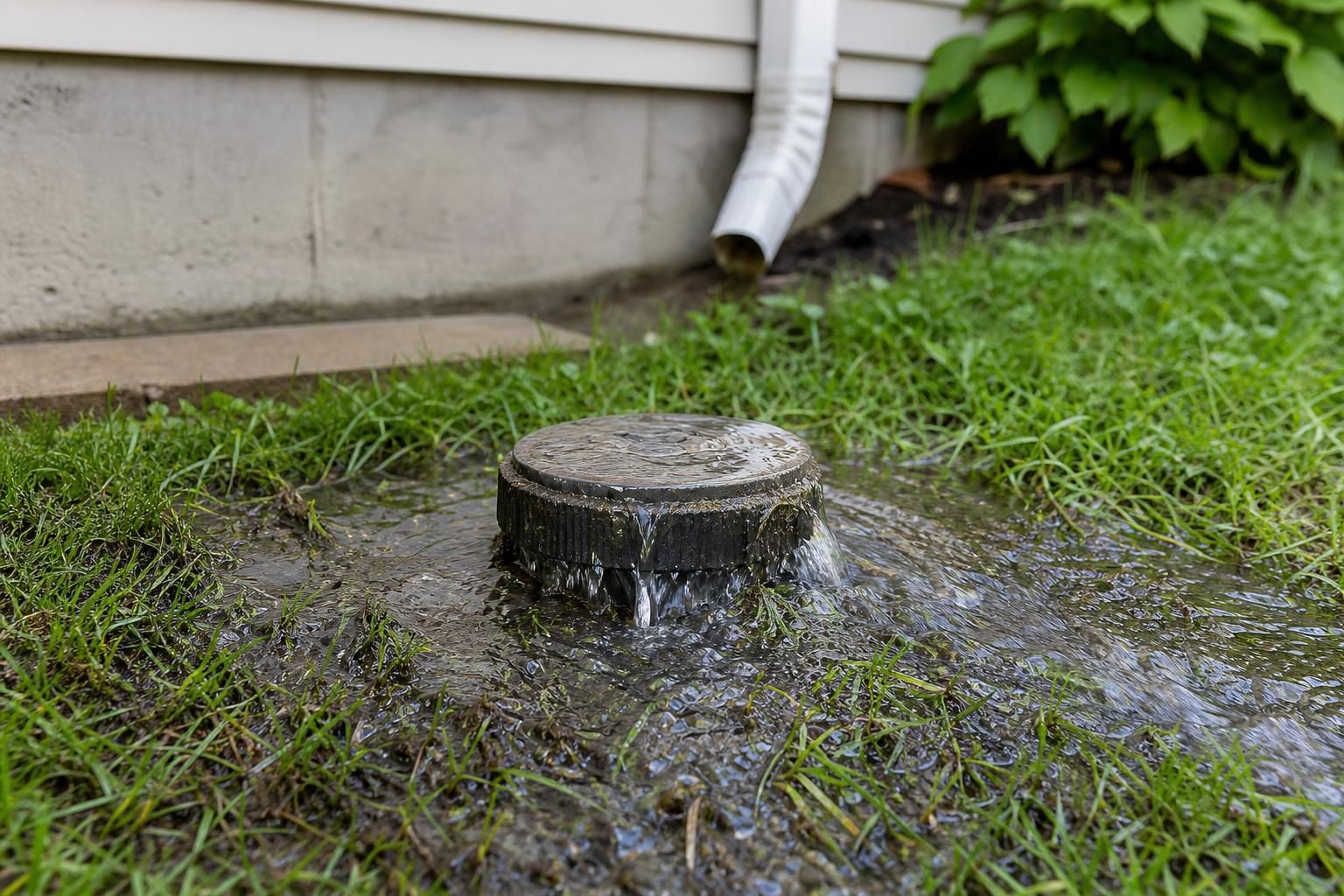
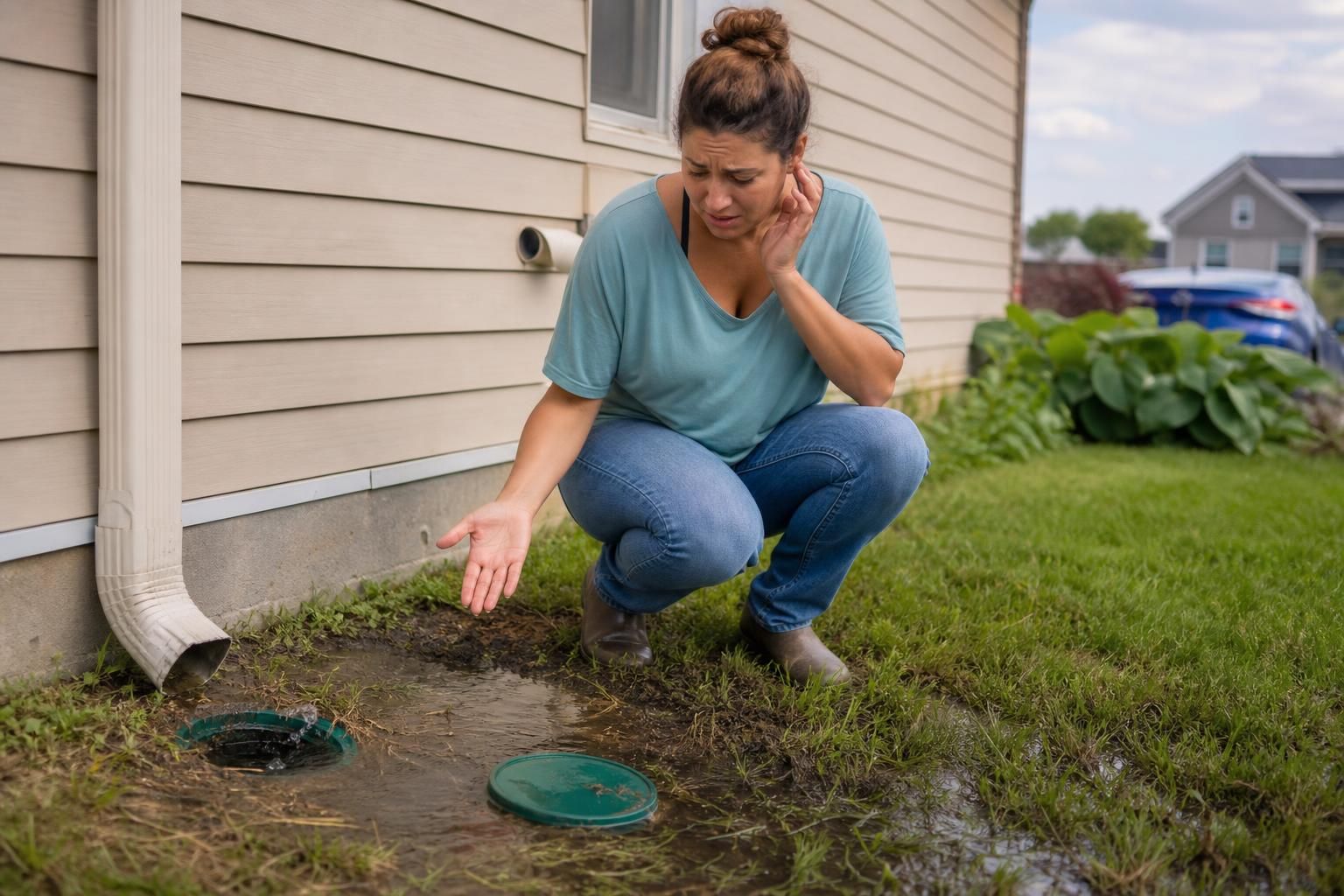
Seeing a sewer cleanout overflowing is alarming, especially when dirty water or sewage appears in the yard after a flush, shower, or laundry cycle. In most cases, wastewater cannot move through the main sewer line, so it escapes through the cleanout instead. Stop using water in the house right away. Do not flush toilets, run sinks, use the dishwasher, or start the washing machine. Keep people and pets away from the area. This guide explains what the overflow usually means, what to avoid, and when snaking, hydro jetting, or a sewer camera inspection may be needed.
- Use this for homeowners who see wastewater outside and need safe next steps before sewer service arrives.
- Pause if sewage is inside living areas, because cleanup and repair may need immediate professional help.
- First, stop all water use and check whether multiple drains are backing up at once.
- Get expert help if sewage keeps rising, smells are strong, or more than one plumbing fixture is affected.
What an Overflowing Sewer Cleanout Usually Means
An overflowing sewer cleanout usually means wastewater is blocked downstream and is escaping through the easiest low opening. The cleanout is an access point plumbers use to reach the sewer line. If the pipe cannot carry wastewater away, pressure builds and pushes sewage back toward the home or out through the cleanout.
You may notice the overflow after a toilet flush, shower, dishwasher cycle, or large laundry load. That timing matters. A cleanout pipe overflowing after heavy water use often means the issue is not just one fixture. It usually points to the shared drain path leaving the home.
- Stop all water use inside the home.
- Keep children and pets away from the sewage.
- Do not remove caps or reach into the pipe.
- Check whether toilets, tubs, or floor drains are backing up.
- Contact a plumber if the overflow continues or multiple fixtures are affected.
If you also notice toilet bubbling, dirty water in a bathtub, or sewer odors, compare your symptoms with main sewer line clog symptoms before deciding how urgent the situation is.
Why This is Often a Main Line Problem
This is often a main line problem because the sewer cleanout connects to the pipe that carries wastewater away from the whole home. A clogged bathroom sink may affect only that sink. A main sewer line backup can affect toilets, showers, tubs, floor drains, and the outdoor cleanout at the same time.
Think of your plumbing like a tree. Small branch drains from sinks, tubs, and toilets feed into one larger trunk line. That trunk is the main sewer line. If one branch is clogged, the trouble stays local. If the trunk is blocked, water from many branches has nowhere to go.
Common signs include:
- A shower backs up when the washing machine drains.
- Several drains become slow at the same time.
- Sewage smells appear near drains or outside by the cleanout.
- Wastewater comes out of the yard cleanout after heavy household use.
Common causes include wipes, grease, tree roots, heavy buildup, collapsed pipe sections, or a low spot in the pipe called a belly. A belly holds water and waste instead of letting everything flow smoothly, which makes repeat backups more likely.
What Not to Do When Sewage is Backing up
When sewage is backing up, the safest move is to stop adding water and avoid contact with the overflow. Do not flush again to test the problem. Do not run the shower to see if it drains. Do not start laundry, because washing machines discharge a large amount of water quickly.
Sewage is not just dirty water. It can contain bacteria and contaminants that should not touch skin, shoes, floors, tools, or landscaping areas where people and pets walk. If sewage is coming from an outdoor cleanout, stay clear. If it has entered the home, avoid walking through it unless you have proper protection.
Avoid these common mistakes:
- Do not pour chemical drain cleaner into toilets, tubs, or cleanouts.
- Do not remove the cleanout cap if sewage is already rising.
- Do not keep using the home normally.
- Do not assume the problem is gone just because the water drops.
If you need context on what a main line clog involves, how to unclog a main sewer explains the general process and when do-it-yourself attempts become risky.
When Snaking May Help
Snaking may help when the blockage is reachable and can be broken apart or pulled back through the line. A drain snake, also called an auger, is a flexible metal cable that rotates through the pipe. It can punch through soft material or grab some obstructions.
This method can work for clogs caused by toilet paper buildup, small debris, or a blockage close enough for the cable to reach. If the cleanout stops overflowing after snaking and all fixtures drain normally, that may be enough for a simple one-time clog.
Snaking has limits. It may poke a hole through grease without cleaning the pipe wall. It may cut some roots without removing the full root mass. It also cannot repair a broken pipe, collapsed section, offset joint, or belly where waste keeps collecting.
A backup that clears and returns a few weeks later is a warning sign. It suggests the snake opened a temporary path, but the real cause remains. If you are choosing between cable clearing and water-based cleaning, this guide to hydro jetting vs snaking offers a helpful comparison.
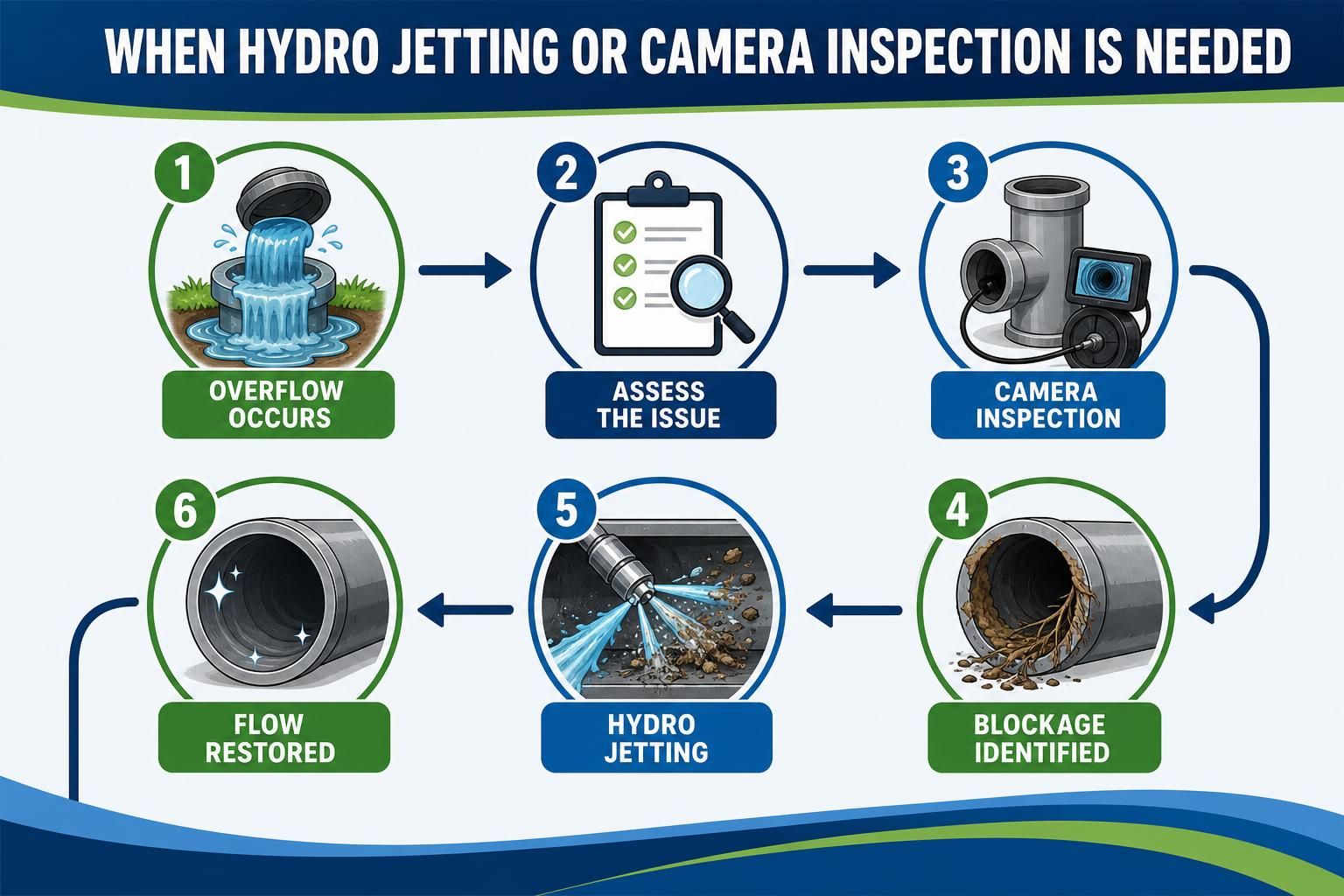
When Hydro Jetting or Camera Inspection is Needed
Hydro jetting or camera inspection is usually needed when the backup is recurring, severe, or unclear after basic clearing. Hydro jetting uses high-pressure water to clean the inside of the sewer pipe. A sewer camera inspection uses a small waterproof camera to look inside the pipe and identify the cause.
Hydro jetting can be useful for grease, sludge, and buildup stuck to pipe walls. Camera inspection is helpful when you need answers. It can show roots, cracks, offset joints, bellies, and damaged pipe sections. Many plumbers clear the line first, then inspect it, because a camera cannot see well through standing sewage.
| Approach | What it does | Best fit | Main limitation |
|---|---|---|---|
| Snaking | Opens a path through a clog | Simple reachable blockage | May not clean pipe walls |
| Hydro jetting | Washes buildup from pipe walls | Grease, sludge, recurring clogs | May not suit every damaged pipe |
| Camera inspection | Shows pipe condition | Unknown or repeat backups | Usually needs a cleared line first |
For stubborn sewer problems, Waterways Plumbing offers sewer cleaning, repair, and replacement information at https://waterwaysplumbingllp. com/sewer-cleaning-repair-replacement/. If you need to confirm what is happening inside the line, their sewer camera inspection page is available at https://waterwaysplumbingllp. com/sewer-camera-inspection/.
If you are unsure which service comes first, camera inspection vs hydro jetting walks through the decision in more detail.
How to Prevent Repeat Sewer Backups
The best way to prevent repeat sewer backups is to reduce what enters the line and investigate recurring problems before they become emergencies. Good daily habits matter. Do not flush wipes, paper towels, hygiene products, cotton swabs, or grease. Even “flushable” wipes can collect in sewer lines and help create clogs.
Grease is another common cause. It may go down as liquid, but it cools and sticks to pipe walls. Over time, it narrows the pipe and catches more debris. Scrape pans into the trash, wipe greasy cookware before washing, and use strainers to catch food scraps.
Take repeat backups seriously. If the sewer cleanout backs up more than once, ask whether roots, pipe damage, or heavy buildup could be involved. Tree roots can enter tiny cracks and grow inside the pipe. Older lines may have joints that shift, sections that sag, or materials that have weakened over time.
Use this prevention checklist:
- Stop flushing anything except toilet paper and waste.
- Keep grease, oil, and food scraps out of drains.
- Schedule cleaning when buildup keeps returning.
- Request camera inspection after repeat backups.
- Trim risk near sewer lines if roots are suspected.
For a broader maintenance plan, review sewer backup prevention and use it as a simple checklist for reducing future problems.
FAQ
The most common questions about an overflowing sewer cleanout involve safety, urgency, and responsibility. The right answer depends on where the blockage is, how much sewage is present, and whether multiple fixtures are backing up.
Use these answers as a starting point, not a substitute for an on-site diagnosis. If sewage is actively flowing, treat it as urgent and stop using water until the line is checked.
Can I Use My Water if the Sewer Cleanout is Overflowing?
No, you should not use water while the cleanout is overflowing. Every flush, shower, sink, dishwasher cycle, or laundry load adds more wastewater to a blocked line. Stop water use until the backup is cleared and drains work normally again.
Is an Overflowing Sewer Cleanout an Emergency?
Yes, it can be an emergency because sewage exposure creates health and property risks. If sewage is coming out of the cleanout, entering the home, or affecting multiple fixtures, do not wait to see if it fixes itself. Have the line checked promptly.
Is the Problem My Sewer Line or the City Sewer?
It depends on where the blockage is located. If only your home is affected, the issue is often in your private sewer lateral, which runs from your house to the public sewer connection. If neighbors are also backing up, the public sewer may need attention.
Why Does Sewage Come Out After Laundry or Showers?
Laundry and showers release more water than a quick hand wash. If the main line is partially blocked, that rush of water can overwhelm the pipe. Wastewater then backs up and escapes through the cleanout or another low drain.
Why Did Snaking Work Once but the Backup Came Back?
Snaking can open a temporary hole through a clog without removing the underlying cause. Roots, grease buildup, pipe damage, or a belly in the line can make backups return. A camera inspection after clearing can confirm what is causing the repeat problem.
Conclusion
A sewer cleanout overflowing usually means wastewater cannot leave your home through the main sewer line. Stop using water, stay away from sewage, and watch for multiple slow drains, gurgling toilets, or dirty water backing into tubs. Snaking may solve a simple clog, but recurring or unclear backups often need hydro jetting, camera inspection, or pipe repair. Your next step is simple: limit water use now and have the sewer line checked before the backup gets worse.