
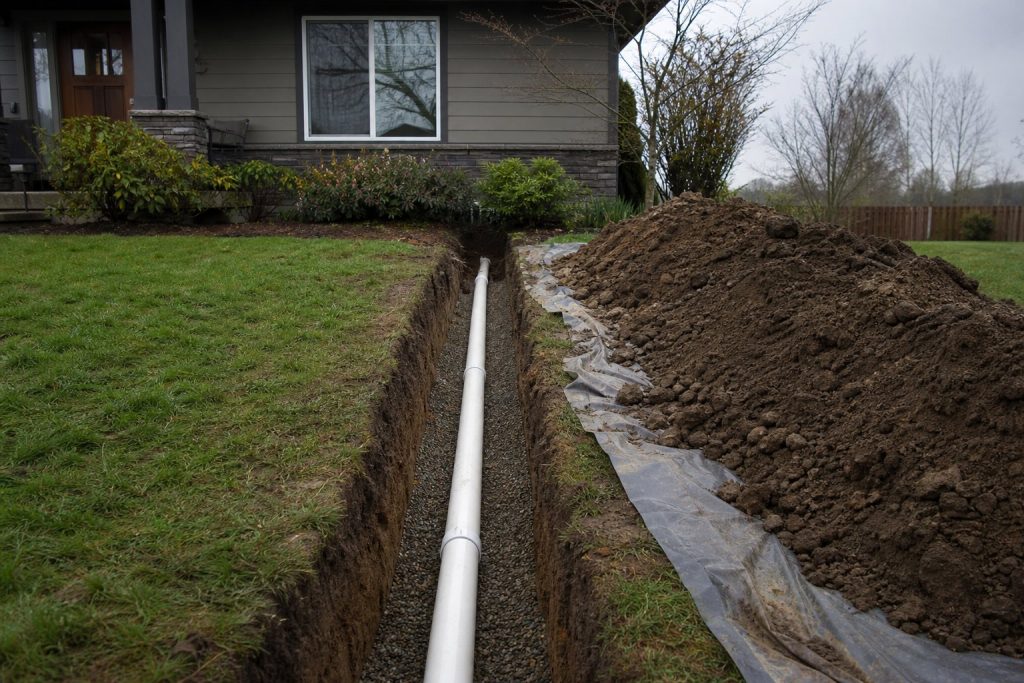
Sewer line replacement cost varies more than most plumbing work because so much of the job depends on what is underground and what sits on top of it. Two homes on the same street can get very different quotes. This guide explains what a replacement includes, which factors move the price up or down, and what to ask so the quotes you compare cover the same work.
- The biggest cost drivers are the length and depth of the line, access, and what has to be dug up and restored.
- Permits, inspections, the connection point and the pipe material also affect the total.
- A camera inspection before quoting helps define the scope and avoid surprises.
- Replacing only a damaged section can cost less, but it only helps when the rest of the line is sound.
What a Sewer Line Replacement Includes
A sewer line replacement usually covers the private sewer lateral, the pipe that carries wastewater from the house to the public sewer connection. A typical job includes locating the line, permits, excavation or trenchless access, removing or abandoning the old pipe, laying the new pipe on proper bedding with the correct slope, connecting it at both ends, inspection, backfill and restoring the surface. Many jobs also add or replace a cleanout for future access.
What Affects Sewer Line Replacement Cost
Length and depth of the line
A longer run means more pipe, more digging and more time. Depth matters too: a deep line takes more excavation, may need trench shoring for safety, and takes longer to backfill.
Access and what sits on top of the line
Digging through open lawn costs less than going under a driveway, patio, mature trees, retaining walls or landscaping that must be removed and restored. A line that runs under part of the house adds another level of difficulty.
Connection point
Where the lateral connects affects the work. A connection at the property line is simpler than one in the street, which may need traffic control, extra permits and pavement repair. Rules on who owns and maintains each part of the line vary by city and utility, so confirm them locally.
Pipe material and soil conditions
Most new laterals are PVC. Rocky soil, a high water table or unstable ground can slow excavation and require extra bedding or dewatering. Older lines made of clay, cast iron or orangeburg may also need more care to remove or abandon.
Method: open trench or trenchless
Some lines can be replaced or rehabilitated with trenchless methods that need only small access pits. Whether that is possible depends on the pipe’s condition, shape, size and route, and it is not automatically cheaper than digging. See trenchless sewer repair explained for how the methods differ.
Permits, inspections and timing
Most sewer replacements need a permit and an inspection before backfill. Permit fees, inspection scheduling and any required paperwork are part of the total. Emergency work during an active backup can also cost more than a planned replacement.
Partial Repair vs. Full Replacement
If a camera inspection shows one damaged section in an otherwise sound line, a spot repair can cost far less than replacing the whole run. If defects appear along much of the line, such as repeated root intrusion at many joints, a sagging run or a failing material, repairing one section at a time often ends up costing more. See sewer line repair vs. replacement for how to decide.
Why a Camera Inspection Comes First
A quote without an inspection is an estimate built on assumptions. A sewer camera inspection shows the pipe material, the location and depth of problems, and whether the damage is isolated or spread along the line. That lets a plumber price the right scope, and it lets you compare quotes for the same work.
How to Get an Accurate Quote
Before you request quotes, gather:
- Any camera inspection video or report, and where the problems are.
- Where the cleanout is, and what covers the line: lawn, driveway, landscaping or trees.
- Past backups, repairs or cleanings on this line.
- Whether the property is connected to a public sewer or a septic system.
Then ask each contractor:
- Is the quote for the full line or one section, and where exactly does it start and end?
- Are permits, inspection, cleanout installation and surface restoration included?
- Which method will be used, and why is it suitable for this line?
- What happens if conditions underground are different from what the inspection showed?
Signs You May Need a Sewer Line Replacement
- Backups or slow drains that return soon after cleaning.
- Roots that keep coming back at several points along the line.
- A camera inspection that shows a collapsed, deformed or badly corroded pipe.
- Sewer odors or soggy patches along the line’s path in the yard.
If you are seeing these signs, compare them with main sewer line clog signs and why a sewer line keeps clogging after snaking.
Conclusion
Sewer line replacement cost comes down to the length and depth of the line, access, the connection point, method, permits and restoration. The most useful first step is an inspection that defines the scope. If you are in Everett or a nearby community and think your line may need replacement, request an assessment through our sewer cleaning, repair and replacement service.