Tree roots in sewer lines often slow or block drains. Hydro jetting uses high‑pressure water and can remove small to moderate root intrusions and restore flow for lighter infestations, but has limits.
Effectiveness depends on root size/density, how roots entered (crack vs break), pipe material and age (cast iron, clay, PVC), and overall pipe condition. Large, woody roots that push joints apart may be cut temporarily but will regrow and can hide structural damage.
Severe cases may need machine cutting, pipe lining (CIPP), or excavation and replacement. High jetting pressure can damage old or brittle pipes, so a camera inspection helps set safe pressure and reveal hidden problems.
After treatment schedule inspections or maintenance jetting and consider root‑killing treatments, barriers, relocating trees, or planting less invasive species to prevent recurrence. Long‑term success depends on root severity, pipe condition, and follow‑up repairs or prevention.
Roots typically enter at joints, cracks, or damaged sections where moisture and nutrients escape
Hydro jetting can clear many root intrusions, especially fine, hair-like roots
Jetting does not repair a cracked, offset, or collapsed pipe, so roots can return
A cutter, spot repair, or lining is often needed for sewer cleaning when roots keep coming back fast
A camera inspection helps confirm the cause and choose the safest approach
Prevention is usually a mix of maintenance, water-smart landscaping, and pipe repair when needed
Why tree roots get into sewer lines
Roots seek water and nutrients, and even a small leak at a joint can attract them. They grow toward moisture, slipping into tiny openings, cracks in pipes, and joints where sealant has failed. Once inside, roots expand over time, widening gaps and sometimes wrapping around fittings, all often with no obvious yard clues. Because they follow persistent moisture signals and can be very thin at first, early invasion frequently goes unnoticed until significant blockages or damage appear.
Older pipes are more vulnerable as joints shift and materials age. Clay, concrete, and older cast iron lines can separate, and any pipe can crack from settling, soil movement, or freezing. Once inside, roots snag toilet paper and debris, creating a tangle that worsens clogs. If the entry point is not addressed, the blockage often becomes a repeat problem.
Does hydro jetting remove roots
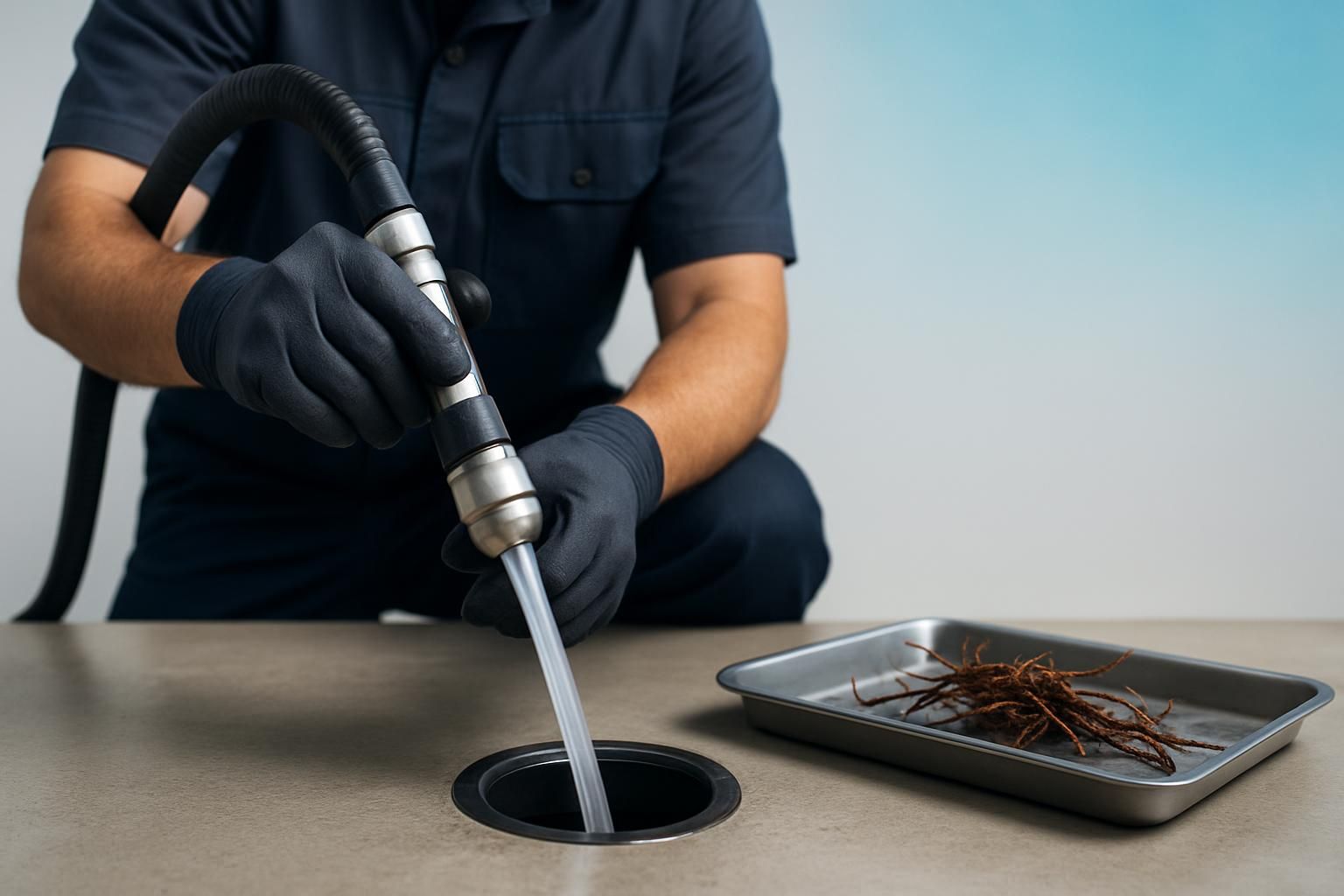
Hydro jetting can remove many roots in sewer line situations, but it is a main sewer line cleaning method, not a repair. A specialized nozzle blasts pressurized water to scour pipe walls and flush debris downstream. The water can shear and wash out root strands, especially the web-like growth that traps waste, so slow drains or backups often improve after jetting.
Hydro jetting clears roots and debris inside the pipe but doesn’t seal cracks, separated joints, or breaks, so roots can return. A camera inspection is often recommended to identify damage and plan repairs.
What it removes well
Hydro jetting performs best on fine to medium intrusions, especially hair-like roots that snag paper and grease. It also removes buildup around roots, including sludge, soap residue, and scale, helping restore flow.
Jetting is also useful as a prep step. A clean pipe improves camera visibility for locating cracks, offsets, or joint gaps, and it may be used before lining in some cases. It cleans the full circumference of the pipe rather than leaving material clinging to the walls.
What it cannot fix permanently
Hydro jetting cannot repair the defect that let roots in. If a joint is separated, a section is cracked, or the line has sagged, shifted, or partially collapsed, the problem remains. In those situations, roots often return because moisture continues to escape and the opening stays accessible.
Jetting also has limits in weak piping. In fragile or deteriorated lines, too much pressure can worsen existing damage. And while jetting can break up some thicker growth, it may not fully remove large, woody root masses anchored in the pipe. If the line keeps clogging, cleaning alone can become a cycle of repeat emergencies.
When a cutter, repair, or lining is needed
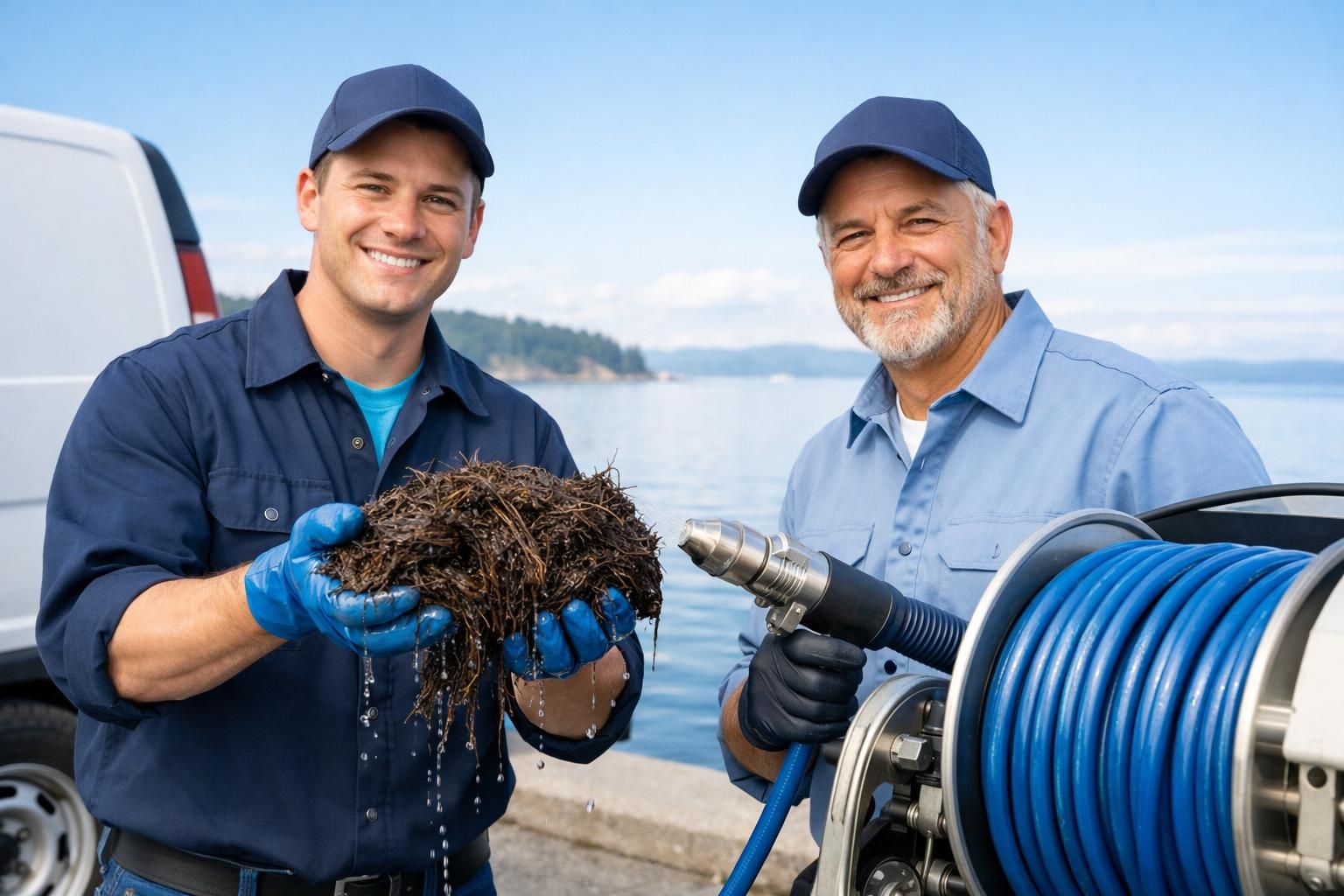
If hydro jetting clears the line but slow drains return soon after, you likely need more than cleaning. A mechanical root cutter is often used for heavy intrusions, especially dense root mats that water cannot fully break apart. Cutting restores flow, and jetting afterward flushes fragments and cleans the walls. This combo is common when the goal is a thorough cleanout before deciding on repair.
When a pipe defect is causing the problem, repair or lining is usually the first choice. A spot repair can work when the damage is small, like a cracked joint or a short bad section. Lining seals joints and small cracks by creating a new inner surface, which lowers the chance the problem will come back. Full replacement is more likely when the pipe has collapsed, is badly misaligned, or is worn out in many places. The best choice depends on the pipe’s condition, access, and how widespread the damage is.
Signs that a longer-term fix is worth discussing include:
Repeated backups or slow drains despite cleaning
A known tree near the sewer route with frequent root intrusion
Evidence of structural damage like offsets, cracks, or broken sections
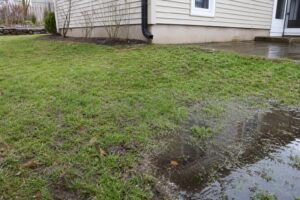
Sewage odors or soggy patches that suggest leakage
Multiple fixtures affected at the same time, indicating a main line issue
How to keep roots from coming back
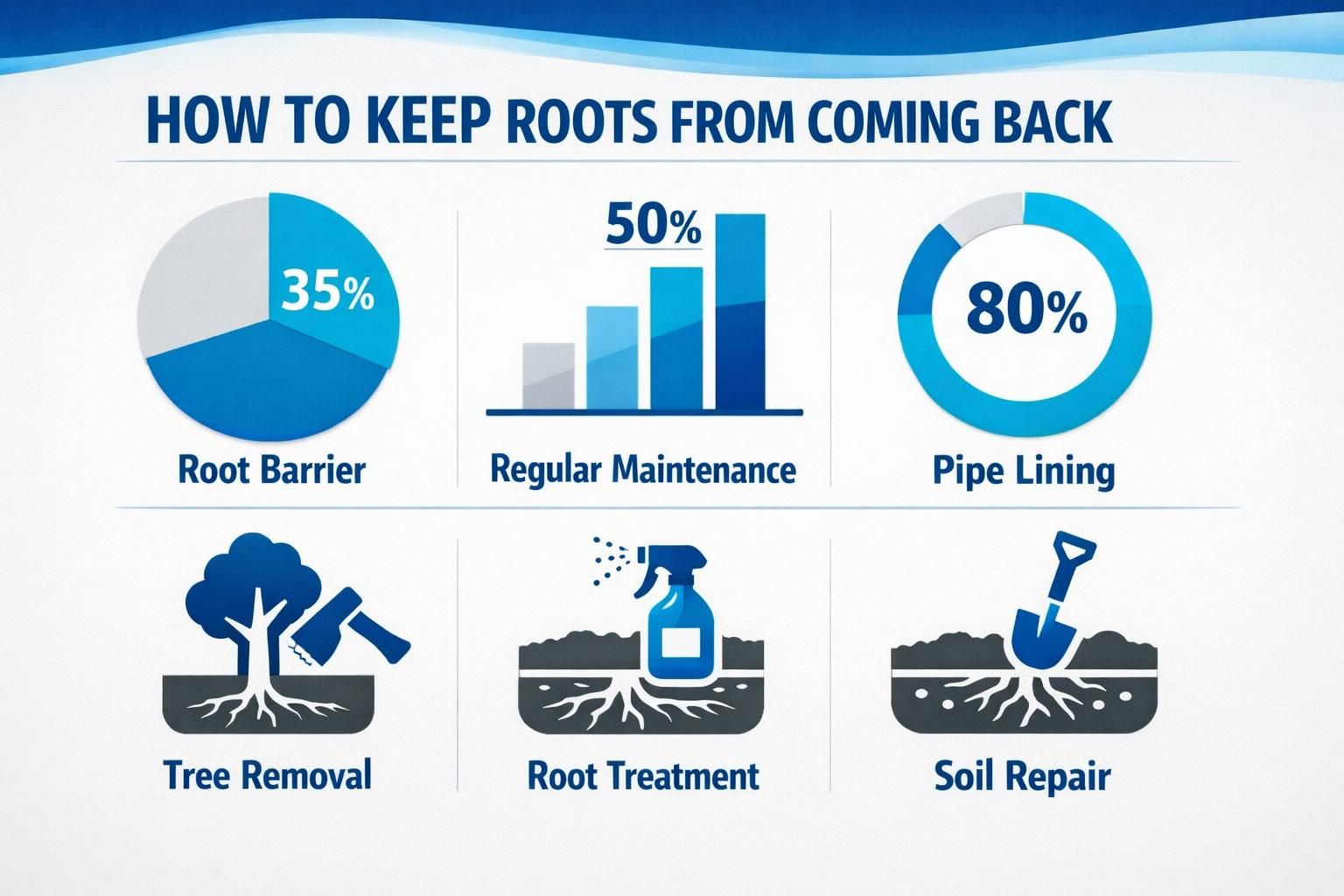
Preventing repeat intrusion comes down to reducing access and reducing what collects on small root strands. If the pipe has an opening, the most reliable way to stop roots from growing in sewer line pathways is to seal it through repair or lining. Without that, you are mostly managing symptoms.
You can still slow the cycle by limiting what roots and debris can trap. Avoid sending grease, wipes, and heavy paper down the drain, since they snag easily and help small intrusions turn into major clogs. Landscaping can help too. When planting, avoid placing trees with invasive tree roots near the sewer route. If mature trees are already established, focus on monitoring and maintenance unless repair work requires changes.
Maintenance schedule and prevention tips
A workable prevention plan depends on how fast roots return, which is why a camera inspection is useful. Some lines only need periodic cleaning, while others need repair because the pipe is compromised. If your line has a history of tree roots in sewer line intrusion, routine attention is usually more effective than waiting for a backup.
Consider these practical prevention steps:
Arrange regular inspections for any known trouble spots, especially after severe clogs
Use habits that reduce buildup, like avoiding grease and minimizing heavy paper
Watch for early warning signs such as gurgling, slow tubs, or recurring toilet clogs
Ask a professional whether periodic jetting or cutting makes sense for your pipe material and age
If a camera shows a crack or offset, prioritize repair or lining to stop the re-entry point
Know where your cleanout is located so service is faster and less disruptive
The right interval is the one that prevents emergencies while you plan longer-term repairs if needed. If roots return quickly after a thorough cleaning, that is often a sign that cleaning alone is no longer cost-effective.
Why camera inspection matters with roots
A camera inspection replaces guesswork with a targeted sewer backup prevention plan. With roots in sewer line problems, you need to know where roots enter, how far they extend, and what the pipe looks like at that point. A camera can show whether the issue is a small joint gap, a crack, a sag that collects debris, or a more serious failure. Without that, you may keep jetting while missing the structural defect that keeps inviting roots back.
Camera results also guide safe cleaning. If pipe walls are fragile or the line is partially collapsed, aggressive jetting or cutting could make the damage worse. Seeing the interior helps a professional set pressure, pick the right nozzle, and choose the right order of operations. After cleaning, the camera can verify the line is open and help determine whether repair or lining would reduce future intrusion.
FAQs about roots and hydro jetting
Can hydro jetting damage a sewer pipe?
It can if the pipe is already in poor condition or if the wrong pressure and nozzle are used. A sound pipe typically tolerates jetting well, but cracked, corroded, or shifted pipes are higher risk. A camera inspection can help assess the line before and after cleaning.
How do I know if I have tree roots in my sewer line?
Common signs include recurring slow drains, backups in the lowest fixtures, gurgling sounds, and clogs that return soon after snaking. A camera inspection is the most direct way to confirm tree roots in sewer line intrusion and identify the entry point.
Is snaking enough for roots?
A drain snake can open a path through a blockage, but it often leaves root material on the pipe walls. Hydro jetting typically cleans more thoroughly, and a mechanical cutter may be required for thicker roots. The best approach depends on root density and pipe condition.
Will roots come back after hydro jetting? They can, especially if the entry point is still open. Jetting removes existing roots in the pipe, but it does not seal cracks or separated joints. If roots return quickly, it is a strong sign that a repair or lining solution should be considered.
What should I do right after a root-related clog is cleared?
Ask what the likely cause is and whether a camera inspection is recommended. Clearing the immediate blockage is only step one. Next is finding where the roots entered, checking pipe condition, and deciding whether maintenance or repair is the best way to prevent repeated clogs.
Conclusion
So, does hydro jetting remove roots? In many cases it does, especially fine to moderate intrusions that are clogging the line and trapping debris. It is an effective cleaning method that can restore flow and clear the pipe walls more thoroughly than basic snaking. What it cannot do is permanently fix the crack, joint gap, or damaged section that allowed roots in. If you have recurring roots in sewer line problems, the next step is a camera inspection to pinpoint the entry point and assess pipe condition. From there, you can choose the right combination of jetting, cutting, and repair or lining to keep the sewer line reliably clear.