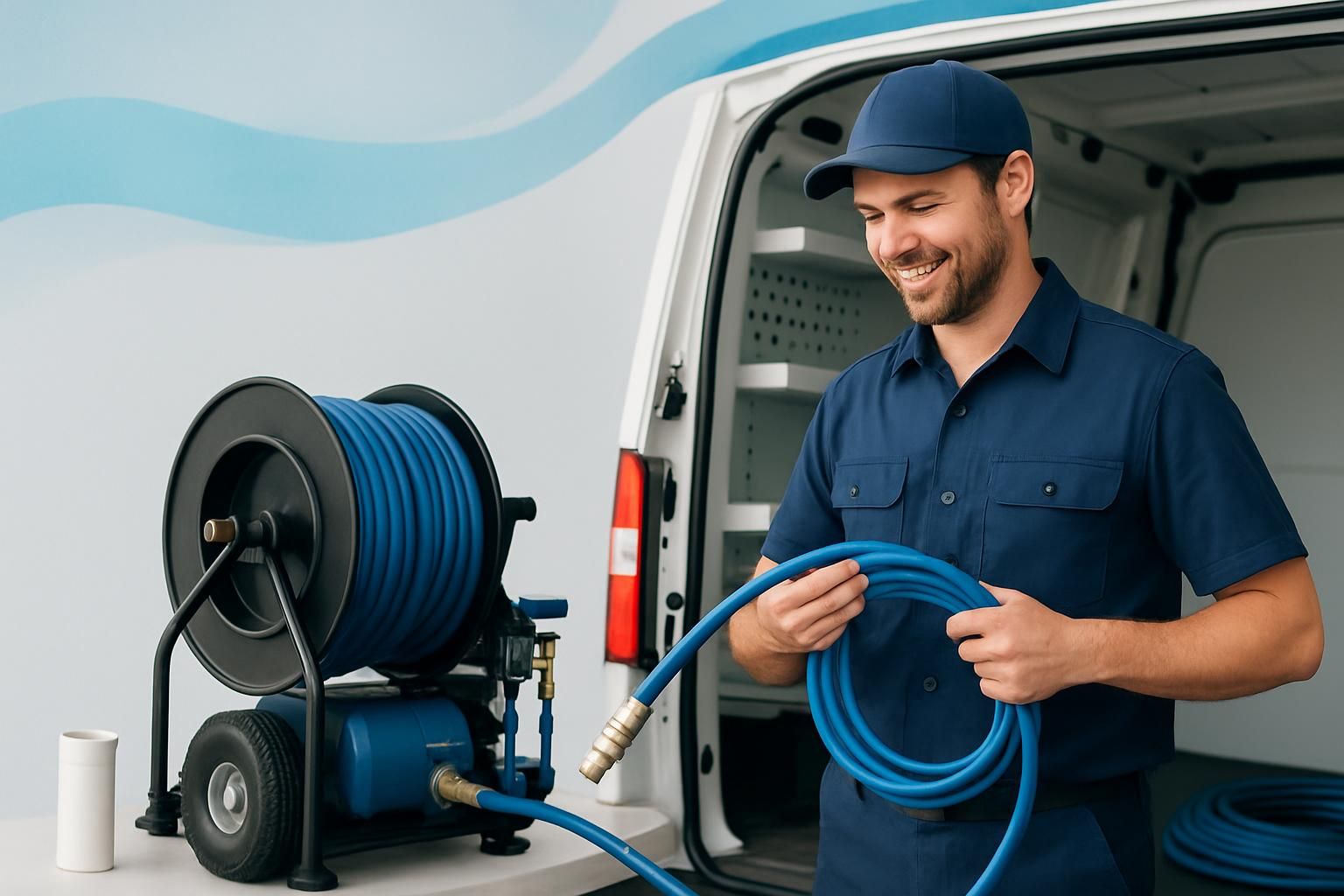
How long does hydro jetting take for a typical home? It depends, but most visits follow a predictable pattern once the plumber can access a cleanout and confirm what is in the line. This guide explains the usual time range for residential hydro jetting, what makes the appointment longer or shorter, and what happens during the service. You will also get simple ways to prepare so the work goes smoothly, plus quick answers to common timing questions.
- Most residential hydro jetting jobs are completed in a single appointment, but time varies by access and buildup.
- A camera inspection can speed decisions and prevent wasted time guessing at the blockage type.
- Heavier grease, scale, or roots often require multiple passes and different nozzles, adding time.
- Longer main lines and complex layouts typically take longer to clean and verify.
- You can reduce delays by clearing access points and limiting water use during testing.
Typical hydro jetting time for a home
For many single-family homes, hydro jetting often takes about one to a few hours from arrival to cleanup. That typically includes opening the cleanout, setting up equipment, running one or more jetting passes, and confirming normal flow. When access is easy and buildup is light, jetting itself may be quick, with setup and verification taking a large share of the visit.
Appointments take longer when the plumber needs to adjust pressure, swap nozzles, or re-clean sections that still feel restricted. If a camera inspection is included, add time for the inspection and a brief review of what was found.
What affects how long it takes
Hydro jetting time depends mainly on access, pipe condition, and how quickly full flow can be restored safely. The same home can take very different amounts of time depending on whether the obstruction is grease, scale, roots, or mixed debris, and whether the run is simple or full of turns.
Time is also affected by troubleshooting and safety decisions: identifying the restriction, selecting the right nozzle, and confirming hydro jetting is appropriate for the pipe. If the line seems fragile, the plumber may reduce pressure, clean in shorter sections, or recommend inspection first. That adds time but can prevent damage and repeat service.
Access to a cleanout
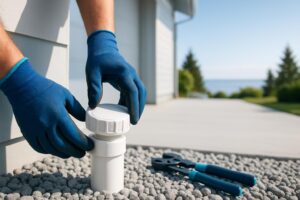
Easy access to a proper cleanout is one of the biggest time-savers. If the cleanout is visible, reachable, and opens normally, setup is faster and the hose can be fed without interruption.
Delays happen when the cleanout is buried, blocked by storage or landscaping, located in a tight crawl space, or difficult to open. Caps may be painted over, corroded, cross-threaded, or under pressure when the line is backed up. In those cases, the plumber needs time to open it carefully and control spill risk. If there is no usable cleanout, access may have to come from another point, which can slow the process and limit how far the jetter can reach.
Severity of buildup and repeat passes
Buildup type and thickness strongly affect timing. Light residue may clear with a single pass and short flush. Grease, biofilm, hardened scale, and roots often take longer because the goal is to scour pipe walls, not just punch a small opening.
Repeat passes are normal. Many technicians clean in stages: a pass to restore movement, additional passes to remove remaining buildup, then a final pass to confirm consistent flow. Problems that often require extra passes include:
- Thick grease layers from kitchen drainage
- Mineral scale that narrows older pipes
- Debris that catches on rough pipe walls
- Root intrusion that leaves material behind
Main line length and pipe layout
Longer lines usually take longer because more pipe must be cleaned and then verified. A short run to the street connection may clear quickly, while a long lateral can require more time to jet and confirm results.
Layout can add time even on average-length lines. Bends, offsets, and diameter changes can slow hose advancement and sometimes require nozzle changes. In some cases, the plumber may approach from a different cleanout to reach a stubborn section from the opposite direction. That adds steps, but it can produce a more complete cleaning.
What happens during the appointment
Most hydro jetting visits follow the same workflow: assess the problem, set up safely, jet the line, and verify flow. The technician will ask about symptoms, such as which fixtures are slow, when backups happen, and whether the issue is recurring. That helps determine whether the restriction is in a branch line or the main line and which access point makes the most sense. The work area is prepared to reduce mess and protect nearby surfaces.
Inspection and setup
Before jetting, the plumber locates the cleanout and checks for standing water and signs of a nearby restriction. They protect the area and place equipment so hoses stay controlled and out of the way. Setup takes time, but it supports safe, pressure-controlled work and reduces cleanup.
The plumber selects a nozzle based on the suspected issue, such as one for opening a soft clog, scouring walls, or pulling debris back toward the cleanout. If the pipe may have structural issues, they may proceed cautiously or recommend a camera inspection first.
Jetting and flow testing
During jetting, a high-pressure hose is fed into the line to break up and flush away buildup. The plumber often works in short sections, advancing and retracting to clean the interior rather than only clearing a narrow path. If resistance remains, they may adjust pressure, change nozzles, and repeat passes until the line feels consistently open.
Flow testing follows. The technician may run water at selected fixtures, watch drain speed, listen for gurgling, and check for backup at the cleanout. If testing suggests a remaining restriction, they may return to jetting for targeted cleaning. This can extend the appointment, but it is often what turns short-term improvement into reliable flow.
Optional camera verification
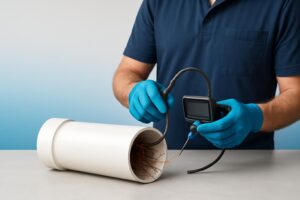
Camera verification may be done before jetting, after jetting, or both. A pre-jetting inspection can confirm the blockage type and whether hydro jetting is the right method for the pipe. A post-jetting inspection can verify cleaning and reveal issues jetting cannot fix, such as cracks, bellies, misaligned joints, or ongoing root intrusion.
A camera step adds time, but it reduces guesswork and helps avoid ineffective repeat passes. It can also clarify why the clog happened and whether follow-up repair is needed.
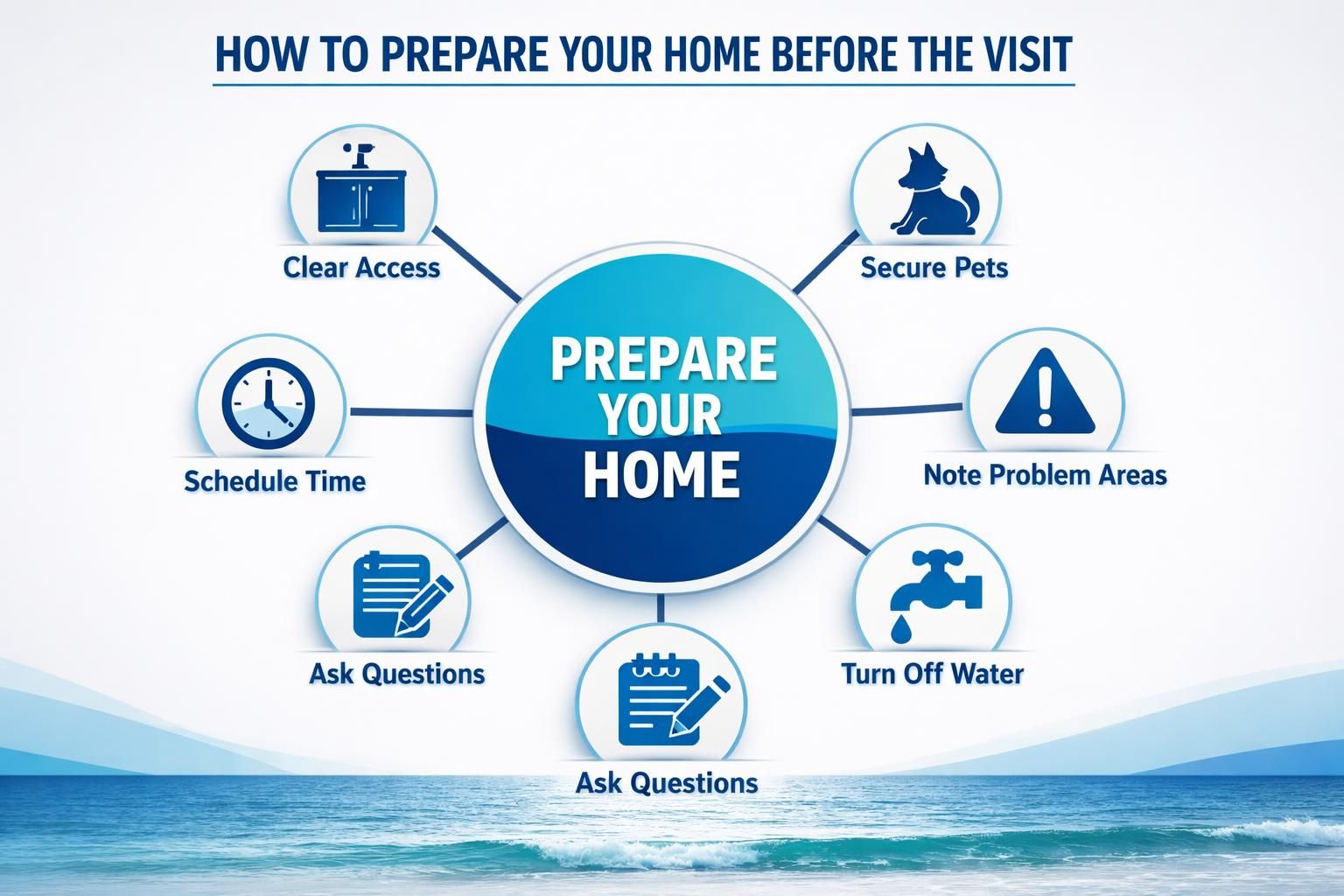
How to prepare your home before the visit
A little preparation can speed the visit and reduce cleanup. Clear space around access points such as garages, basements, crawl space entries, and outdoor cleanouts near exterior walls. Move storage, vehicles, or patio items so the plumber can work and place equipment safely. If you know where the cleanout is, point it out.
On the day of service, avoid running water right before arrival if you are dealing with a backup, since extra water can increase standing water and make opening the cleanout messier. Keep children and pets away from the work area and expect equipment noise. Share any history from prior drain work, including which fixtures were affected, what was tried, and whether the issue keeps returning, since that can speed diagnosis and access choices.
FAQs about hydro jetting time

Homeowners often want a firm number, but timing is usually a range because pipe conditions are hidden until the line is accessed and assessed. A useful estimate depends on cleanout access, the likely cause of the clog, and whether camera inspection is included. If you need the house functional by a certain time, mention that when scheduling so the plumber can plan the visit and advise you on water use during testing.
Separate total appointment time from active jetting time. Even if jetting is brief, the job is not complete until flow is verified and the area is left clean and secure. Extra passes or camera checks may be recommended to clean the line, not just open it.
Common timing questions include:
- Can hydro jetting be done in under an hour? Sometimes, if access is easy and buildup is light, but many jobs need more time for setup and testing.
- Why does it take longer on some homes? Longer lines, heavy buildup, and difficult cleanout access are typical causes.
- Will hydro jetting fix everything in one visit? It often restores flow, but structural problems may require separate repair work.
- Should I leave the house? You can usually stay home, but keep the work area clear and expect periods when water is being tested.
Conclusion
If you are trying to plan your day around plumbing work, the best approach is to expect a range rather than a single number. How long does hydro jetting take in a typical home? Often it is completed within a few hours, but access, buildup severity, and line layout can push the appointment longer, especially when multiple cleaning passes or camera verification are needed. To keep things moving, clear the path to the cleanout, reduce water use if you have an active backup, and share any history of recurring clogs when the plumber arrives. Your next step is to schedule the visit and ask the provider what their process includes so your drain cleaning time estimate matches your home’s situation.