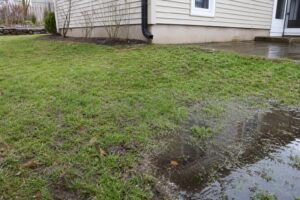
A slow sink or a single clogged toilet is frustrating, but it does not always mean you need a major plumbing service. The key is telling the difference between a one-off blockage and a deeper problem in the drain or sewer line. This guide covers the common signs you need hydro jetting, what those symptoms often indicate, and why basic drain cleaning can fail when buildup returns. You will also learn when a camera inspection makes sense, what to try before you call, and how to describe your symptoms so a plumber can recommend the right next move.
- Repeated clogs in the same spot often indicate buildup, not a single obstruction
- Slow drains in multiple fixtures can signal a main line restriction
- Gurgling sounds and sewer smells may point to trapped air and waste in the line
- Frequent backups suggest an escalating blockage that can turn into overflow
- Hydro jetting is designed to remove residue along pipe walls, not just punch a hole through
- A camera inspection is helpful when you suspect damage, roots, or unknown pipe condition
The difference between a one time clog and a bigger issue
A one time clog is usually tied to a specific, recent cause: too much toilet paper, hair, cooled grease, or food scraps that should not have gone down the drain. In those cases, a plunger, a hand auger, or basic snaking can restore flow, and hydro jetting can be a more effective solution if you fix the habit that caused it.
A bigger issue shows up when a drain improves briefly and then slows again, or when multiple drains act up around the same time. That pattern often means the pipe has narrowed from residue on the walls or the main sewer line is partially restricted. Hydro jetting is typically considered when the goal is to clean the full diameter of the pipe, not just open a small path through a blockage.
Signs you need hydro jetting
A one time clog is usually tied to a specific, recent cause: too much toilet paper, hair, cooled grease, or food scraps that should not have gone down the drain. In those cases, a plunger, a hand auger, or basic snaking can restore flow through drain cleaning, and can be a more effective solution if you fix the habit that caused it.
If you are noticing signs you need sewer hydro jetting, write down which fixtures are affected, how often it happens, and what improves it temporarily. That helps a plumber choose between sewer cleaning, snaking, and inspection based on what is safest for your line.
Recurring clogs in the same drain
If the same sink, shower, or floor drain clogs repeatedly, the issue is often buildup rather than a single object. Soap scum, grease, food residue, and mineral scale can leave a layer that catches debris. A snake may restore flow but leave most of the coating behind, so the clog returns.
Hydro jetting uses high pressure water to scour the pipe interior and flush loosened material out. If you have snaked the same drain more than once and it clogs on a predictable schedule, that is a strong sign you need hydro jetting. It is also a cue to cut back on what feeds buildup, especially grease, food scraps, and heavy soap residue.
Multiple fixtures draining slowly
One slow drain can be a local clog. Two or more slow fixtures, especially on the same level, often point to a shared line restriction. If slow draining shows up across the home, a main sewer line restriction becomes more likely.
Hydro jetting can help because it cleans longer stretches of pipe instead of just one spot. If draining worsens during heavy water use or seems to affect different fixtures over time, treat it as an early warning. Waiting can allow buildup to thicken until it behaves like a solid blockage.
Gurgling, bubbling, or sewer smells
Gurgling drains and bubbling toilets can mean air is being forced through standing water because the system is not draining smoothly. A partial restriction can create pressure changes and can interfere with traps that normally block sewer gas. When waste lingers, sewer odors can show up near sinks, tubs, or floor drains.
Odors alone do not always mean a clog, but odors plus slow draining or recurring backups often point to waste not clearing efficiently. Hydro jetting can remove organic film that holds odor-causing material in place, especially in kitchen lines and main lines. If the smell returns soon after basic cleaning, it is worth evaluating.
Frequent backups or overflow risk
A backup once after an obvious mistake is different from backups during normal use. If a toilet backs up when you run the shower, or a basement floor drain threatens to overflow during laundry, the system or its sewer cleanout has too little capacity. Partial blockages can also be inconsistent: things may drain fine until higher flow pushes the line past its limit.
At this stage, prevention is usually cheaper than cleanup after an overflow. Hydro jetting can restore capacity by removing layers that reduce the effective diameter of the pipe. If you are repeatedly plunging, changing routines to avoid overflow, or seeing backups during normal use, schedule a professional evaluation.
You have older pipes with buildup
Older homes often develop years of residue inside drain lines, including mineral deposits, grease residue, and sludge. Some older pipe interiors are rougher, which helps buildup cling and catch debris, creating a cycle of slow drains and recurring clogs.
Pipe age also means the cleaning method should be chosen carefully. A professional should consider pipe material and any history of leaks. If your home is older and drainage problems keep coming back after snaking, buildup is a likely culprit, and hydro jetting may be the right next step.
What hydro jetting can fix that snaking may not
Snaking is effective for breaking through a localized clog and pulling out hair or fibrous material. The limitation is that it often creates a channel through the blockage rather than removing what coats the pipe walls. That is why a drain can improve, then slip back into slow draining soon after.
Hydro jetting works more like pressure washing the inside of the pipe. It can remove grease layers, soap scum, sludge, and soft scale a snake may glide past, and it helps clear fine debris that keeps catching on leftover residue. Jetting is often considered for:
- Chronic grease buildup in kitchen lines
- Sludge and residue in long horizontal runs
- Repeated main line slowdowns without a single obvious object
- Odor issues tied to organic film inside pipes
Hydro jetting is not the answer to every problem. If a line is collapsed, misaligned, or damaged by roots, cleaning alone may not last. That is where inspection matters.
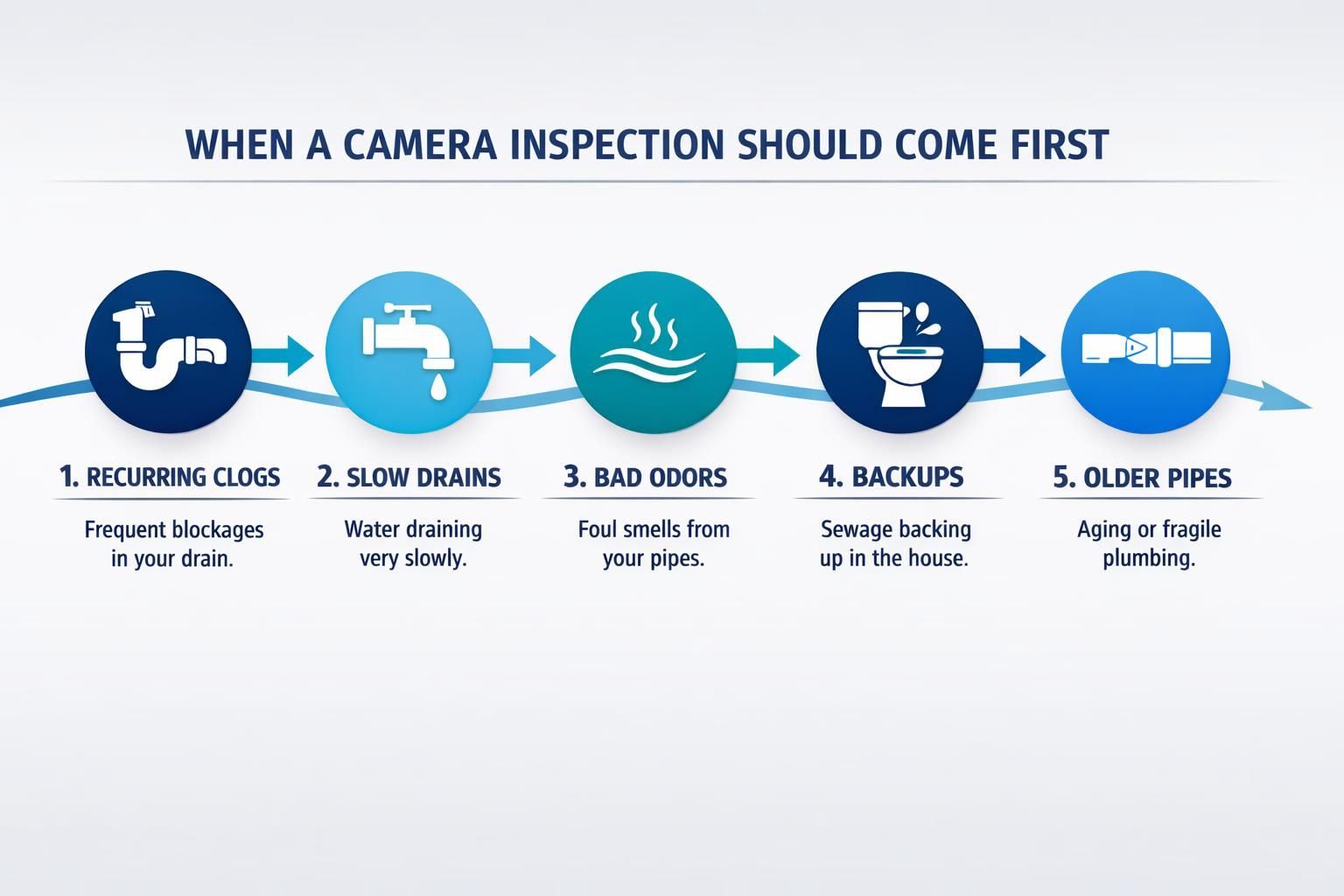
When a camera inspection should come first
A camera inspection is most useful when symptoms suggest more than routine buildup. If you have never had your sewer line evaluated, if you have a history of major backups, or if problems return quickly after clearing, an inspection can confirm whether the pipe is intact. It can reveal offsets, bellies, cracks, corrosion, or root intrusion that contribute to repeat blockages, including issues caused by hard water and mineral scale. Without that information, you can end up cleaning the line repeatedly without addressing the cause.
A camera is also helpful when you cannot pinpoint the problem area. It lets the plumber confirm whether the issue is in a branch or the main line, gauge how heavy deposits are, and decide whether hydro jetting is appropriate for the pipe’s condition. If the camera shows structural issues, the plumber may recommend repairs or a different approach before aggressive cleaning.
Quick steps to take before you call
You do not need to diagnose the whole system, but a few checks can help you avoid guesswork and describe the issue clearly. Stick to observation and avoid aggressive DIY methods that can worsen the situation.
Start with these steps:
- Note which fixtures are slow or backing up, and whether the issue is isolated or widespread
- Listen for gurgling when other fixtures run, such as flushing a toilet while the shower drains
- Check for sewer odors near floor drains and rarely used fixtures, and run water to refill traps
- Avoid chemical drain cleaners, which can be harsh on pipes and complicate professional work
- Stop using water if a backup is rising, to reduce overflow risk and cleanup
- If you have a safe, accessible cleanout, note whether water is standing in it (do not force it open if you are unsure)
Sharing these details can help the plumber decide whether to begin with a camera, a cable machine, or hydro jetting.
FAQs about signs you need hydro jetting
Hydro jetting can feel like a big step, so it is normal to have questions before scheduling service. These answers focus on practical decision points and what your symptoms often mean.
Is hydro jetting the same as basic drain cleaning? It is a form of drain cleaning, but it has a different goal. Basic drain cleaning often restores flow by clearing a clog. Hydro jetting cleans the pipe walls and restores capacity, which can reduce how quickly new clogs form.
Can I tell if the problem is in the main sewer line? A common clue is when multiple fixtures are affected, especially on the lowest level of the home. A backup in a basement floor drain or a tub when other fixtures run often points to a main line restriction. A camera inspection is the most direct way to confirm the location and cause.
Will hydro jetting remove tree roots? It can clear some root intrusion, but results depend on severity and whether the pipe is damaged. If roots enter through cracks or joints, cleaning may improve flow temporarily, but regrowth is likely unless the entry point is repaired. Inspection helps determine whether cleaning, repair, or both are needed.
How often do people need hydro jetting? There is no universal schedule. It depends on what goes down the drains, pipe layout, and whether you have recurring buildup. Returning symptoms after snaking, repeat slow drains, and recurring odors are better indicators than time alone.
How do I describe the problem to a plumber? Share the pattern: which fixtures, how often it happens, what triggers it, and what you have tried. Mention gurgling, odors, or backups, and whether it worsens during heavy water use. Clear details help the plumber determine whether your situation fits the typical signs you need sewer hydro jetting.
Conclusion
Recurring drainage trouble is rarely random. When clogs return in the same drain, multiple fixtures slow down, or you notice gurgling and sewer odors, the problem often goes beyond a simple plug. Those patterns are some of the most reliable signs you need hydro jetting because they point to buildup coating the pipe walls and reducing capacity over time. Your best next step is to stop relying on repeated quick fixes, document which fixtures are affected, and talk with a plumber about whether a sewer camera inspection should come first. With the right evaluation, you can choose a solution that restores flow and reduces the chance of another messy backup.